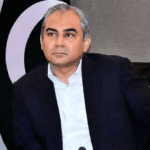
Denis Sassou Nguesso was sworn in on Thursday, April 16, for a new five-year term as president of the Republic of the Congo, extending one of the longest rules by any sitting African leader. The inauguration was held in Kintélé, north of the capital, Brazzaville, after his victory in the March 15 presidential election.
Official results confirmed by the Constitutional Court gave Sassou Nguesso 94.90% of the vote, slightly above the 94.82% provisional figure announced earlier by the interior minister. The 82-year-old president ran against six lesser-known candidates and secured what is now his fifth consecutive term under the current constitutional order.
The ceremony was more than a formal state event. It marked another chapter in a political career that has stretched across roughly 42 years, making Sassou Nguesso the third-longest-serving sitting leader in Africa, according to AP’s reporting. His continued eligibility traces back to the 2015 constitutional referendum that removed presidential term and age limits, clearing the way for repeated re-election bids.
But the scale of his victory has again fueled criticism over the credibility of Congo’s electoral system. Civil society observers and opposition-linked voices said the vote was neither free nor transparent, while some reports before and during the election pointed to subdued turnout and little sense of suspense around the result. Critics have described the outcome as the product of a political system in which the incumbent maintains overwhelming institutional control.
That matters because Congo enters this new term with serious economic pressures. AP noted that the oil-producing Central African state is facing a high debt burden and rising youth unemployment, issues that give the new mandate more weight than a simple continuation of power. So while the official story is one of stability and renewed legitimacy, the broader reality looks more complicated: a veteran ruler has secured another term, but the questions around democratic openness and economic performance have not gone away.