A fragile ceasefire between the United States and Iran was jolted on May 7 after U.S. warships transiting the Strait of Hormuz came under attack, triggering American retaliatory strikes and a fresh round of accusations from Tehran. Even so, President Donald Trump moved quickly to argue the truce had not collapsed, saying the ceasefire was “still in effect” and describing the U.S. response as limited rather than the start of a wider new campaign.
According to U.S. Central Command, Iranian forces launched missiles, drones and small boats at three U.S. Navy guided-missile destroyers — the USS Truxtun, USS Rafael Peralta and USS Mason — as they moved through the strait toward the Gulf of Oman. CENTCOM said no American assets were hit and that U.S. forces then “eliminated inbound threats” and struck Iranian military sites it said were responsible for the attack, including launch locations and command-and-control nodes.
Iran’s version was sharply different. Iranian officials and state-linked reporting said the United States had violated the ceasefire first, with strikes on vessels and coastal areas near the strait, including Qeshm Island. Tehran said its forces responded after what it cast as an American provocation, a claim that directly contradicts the Pentagon’s account. At this point, the competing narratives still haven’t been independently reconciled in full.
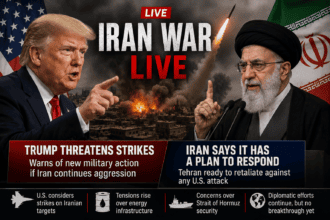
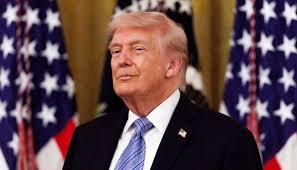
That’s what makes Trump’s posture so striking. Instead of treating the clash as the end of the truce, he tried to box it in politically. In interviews and public remarks reported by several outlets, Trump said the ceasefire remained alive and suggested the U.S. strike was a contained answer to Iranian fire, not a signal that diplomacy was over. He also warned that if Iran refused to move quickly toward a deal, Washington could respond far more forcefully next time.
The episode matters well beyond the military exchange itself because it hits the most sensitive stretch of water in the global energy trade. The Strait of Hormuz has already been at the center of weeks of tension, disrupted shipping and rising market anxiety. Fresh fighting there immediately revived fears that even a small clash could spiral into a broader confrontation and further shake oil markets and maritime traffic. Associated Press reported that Iran’s control measures in and around the strait have already stranded large numbers of ships and sent fuel prices higher.
The ceasefire now under pressure had largely held since April 8, 2026, with Pakistan widely described in recent reporting as a key intermediary in efforts to keep U.S.-Iran contacts alive. Those diplomatic channels do not appear to be fully shut, which helps explain why Washington is still publicly talking as though the truce can survive even after live fire at sea. Still, the margin for error looks awfully thin now. One more incident like Thursday’s, especially if there are casualties, could make the language of “self-defense” and “ceasefire” impossible to sustain at the same time.
For now, that leaves both sides in a familiar and dangerous place: exchanging military blows, blaming each other for starting it, and insisting they do not actually want full escalation. On paper, the ceasefire survives. In practice, it looks battered, conditional and one misstep away from becoming something people refer to in the past tense.