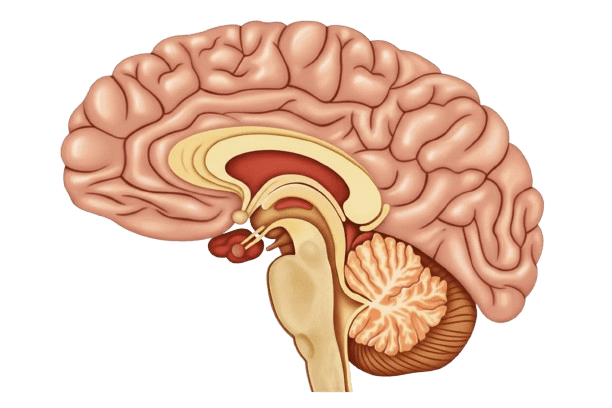
The American Heart Association (AHA) has released a new, evidence-based roadmap for brain health, identifying 10 modifiable risk factors that significantly dictate a person’s likelihood of developing dementia or suffering a stroke.
The study, published in the AHA’s journal *Stroke*, moves away from the assumption that cognitive decline is an inevitable byproduct of aging. Instead, the findings pin the burden of brain health on daily habits. The 10 factors are categorized into three pillars: health conditions, lifestyle behaviors, and socioeconomic status.
Leading the list are high blood pressure, diabetes, and obesity the “big three” that clinicians have long flagged for heart health. But the AHA’s latest analysis underscores that these same conditions act as primary accelerants for vascular dementia and ischemic stroke.
Beyond these clinical markers, the report highlights the impact of smoking, physical inactivity, poor diet, and excessive alcohol consumption. These are the levers of control. For millions, the barrier to better brain health isn’t genetics; it’s the lack of consistent, preventative intervention.
“We are seeing a clear, measurable link between how we manage our bodies in middle age and how our brains function in our seventies,” said Dr. Mitchell Elkind, former AHA president and lead author of the study. “The window for prevention is decades wide, not just a few years.
” The research also introduces a critical, often-overlooked variable: social isolation. The AHA now classifies the lack of social connection as a distinct risk factor. Loneliness triggers physiological stress responses that can degrade cognitive pathways over time, a finding that adds a social-science dimension to purely medical recommendations.
The study further points to the role of systemic inequalities. Access to healthy food, safe environments for exercise, and quality healthcare the “social determinants of health” remain the silent arbiters of who stays sharp and who doesn’t. For the average adult, the takeaway is less about a single “brain-boosting” supplement and more about cumulative behavior.
Managing blood pressure remains the most effective single action an individual can take to protect the brain.
The AHA’s message is clear: the brain is an organ, not a mystery. By the time cognitive symptoms appear, the damage is often irreversible. The goal now, according to the researchers, is to pivot from treating cognitive decline to actively defending against it long before the first memory slips.