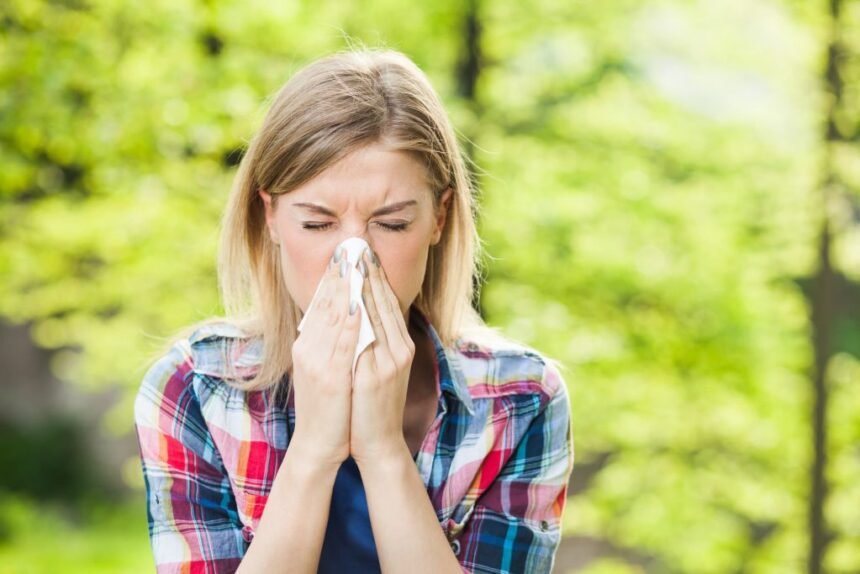
Spring brings more than just warmer weather; for millions, it signals the start of a months-long battle with itchy eyes, congestion, and relentless sneezing. As tree and grass pollen counts climb, navigating the season requires more than just luck. Here are nine practical ways to minimize the impact of seasonal allergies.
1. Track the counts Don’t head outdoors blindly. Check local weather apps for daily pollen forecasts. When counts hit the “high” or “very high” range, keep your windows closed and limit your time outside to early morning or late afternoon, when pollen activity is typically at its peak.
2. Master the “home barrier” Your home is your sanctuary, but it can easily trap allergens. Keep windows shut during peak season. If you’re running the AC, ensure the filter is clean and rated to capture small particles. A HEPA-grade air purifier in the bedroom can also scrub the air while you sleep.
3. Shower before bed Pollen acts like dust it clings to your hair, skin, and clothing. If you’ve spent the day outside, strip off your clothes near the laundry room and hop in the shower immediately. Bringing outdoor allergens into your bed is a recipe for a miserable night’s sleep.
4. Change your footwear Think of your shoes as pollen magnets. Leave them at the door to stop allergens from being tracked across your carpets and rugs, where they can linger and be kicked back into the air for days.
5. Consider a saline rinse A neti pot or saline nasal spray works by physically flushing pollen grains out of your nasal passages. It sounds clinical, but it’s one of the most effective ways to provide immediate, drug-free relief from congestion. Just ensure you use distilled or boiled—and cooled—water.
6. Start medication early If you know your allergies hit like clockwork every April, don’t wait until you’re already suffering. Starting an over-the-counter antihistamine or a nasal corticosteroid a week or two before the season peaks can help block the inflammatory response before it gains momentum.
7. Rethink your laundry routine Hanging clothes outside to dry is a classic spring image, but it’s a disaster for allergy sufferers. Your linens act as a giant net for blowing pollen. Use a dryer instead to ensure your sheets and pillowcases remain allergen-free.
8. Protect your eyes Sunglasses do more than block UV rays; they act as a physical shield against windblown pollen. When you’re outdoors, wrap-around frames provide an extra layer of protection, keeping the irritation out of your eyes.
9. Identify your specific trigger Not all allergies are the same. If you are struggling despite your best efforts, see an allergist for skin-prick testing. Knowing exactly whether you’re reacting to oak, birch, or specific grasses allows you to tailor your strategy and your medication to the specific weeks when those plants are pollinating.
If your symptoms don’t respond to these steps, don’t just suffer through the fatigue. Chronic inflammation can lead to sinus infections or worsen asthma, making a trip to a specialist a necessity rather than a luxury.