If you’re the one person in your group constantly swatting at mosquitoes while your friends remain blissfully bite-free, it isn’t just bad luck. You’re likely a “mosquito magnet,” and science is finally pinning down the biological reasons why. It comes down to your skin’s chemical bouquet. Researchers at Rockefeller University have identified that individuals who attract mosquitoes produce higher levels of specific carboxylic acids on their skin.
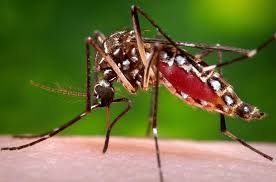
These compounds are essentially a dinner bell for Aedes aegypti the primary vector for viruses like Zika, dengue, and yellow fever. The study, published in Cell, tracked volunteers over several years. Participants wore nylon sleeves on their forearms to collect their unique scent profiles.
In head-to-head “scent trials” where mosquitoes were released into a chamber to choose between two different arm sleeves, the insects consistently flocked to the same individuals.
The “magnets” weren’t just slightly more popular; they were up to 100 times more attractive to the mosquitoes than the least-appealing participants. This isn’t about what you ate for dinner or whether you’re wearing perfume. It’s about your microbiome. While your skin is covered in a complex ecosystem of bacteria, these microbes break down the oils and secretions from your skin into those distinct carboxylic acids. Crucially, this trait appears to be stable over time.
Even when participants changed their diets or used different soaps, their relative attractiveness to mosquitoes remained unchanged.
“This is a long-lasting trait,” said Leslie Vosshall, a neurobiologist who led the research. “The person who is a mosquito magnet today is likely to be one years from now.” The findings offer more than just an explanation for your itchy summer nights.
By understanding exactly which chemical signals drive mosquito preference, developers can create more effective, targeted repellents. Current products often rely on broad-spectrum chemicals like DEET, which can be greasy or have a strong odor.
Future solutions might involve manipulating the skin microbiome to “mask” these carboxylic acids, effectively making you invisible to the pests. For now, if you find yourself being the primary target, your biology is simply working against you.
You aren’t imagining it you’re just chemically irresistible to one of the world’s most dangerous insects.