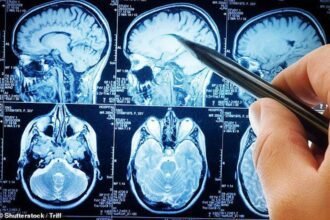
Doctors at the University of Cambridge have developed an AI tool capable of identifying brain tumors in seconds, potentially replacing manual diagnostic processes that currently take days or weeks.
The model, designed to process complex MRI scans, aims to bridge the gap between patient screening and the start of life-saving treatment. Traditional diagnosis relies on radiologists manually reviewing high-resolution images. It’s a labor-intensive, error-prone process that often creates a bottleneck in busy hospital systems.
The new model, trained on thousands of confirmed patient cases, cuts through this backlog by flagging anomalies with a reported accuracy rate that rivals experienced clinicians.
The clinical stakes here are high. For patients with aggressive glioblastomas, every day spent waiting for a pathology report is a day the cancer advances.
By automating the preliminary review, the AI doesn’t just save time it shifts the medical focus from manual image analysis to immediate intervention. “We aren’t looking to replace the expert eye,” said one lead researcher involved in the study.
“We’re looking to give that expert a head start.” The model doesn’t operate in a vacuum. It integrates directly into existing hospital imaging software, meaning it doesn’t require specialized hardware or a complete overhaul of clinical workflows. This design choice is deliberate, aimed at getting the tool into under-resourced hospitals where diagnostic expertise is often stretched thin.
Regulatory hurdles remain. While the initial results are promising, the model must still clear rigorous clinical trials and safety certifications before it can be deployed in routine care. Health authorities are already eyeing the technology as a solution to the growing global shortage of radiologists, particularly in developing nations where access to specialized neuro-oncology diagnostics is virtually non-existent. The technology isn’t a final verdict, but it is a disruption.
If the model maintains this speed and accuracy in real-world, high-volume settings, the standard of care for brain tumor patients could change by the end of the year.
The question now isn’t whether the AI works, but how quickly it can be integrated into the front lines of oncology.