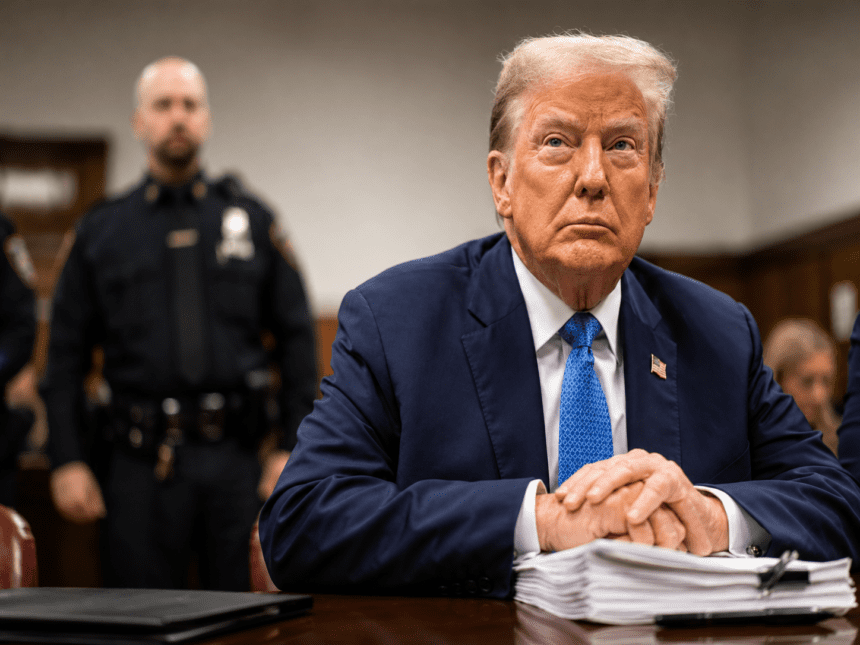
Washington: U.S. President Donald Trump has said he postponed a planned military attack on Iran, originally expected on Tuesday, after Saudi Arabia, Qatar and the United Arab Emirates urged Washington to give diplomacy a little more breathing room.
Speaking on Monday, Trump said “serious negotiations” were now taking place and claimed there was a “very good chance” of reaching an agreement with Tehran over its nuclear programme. He also warned, though, that the U.S. military remained ready if talks collapsed. Reuters reported that the delay followed a new Iranian proposal, communicated through Pakistan, while Gulf leaders pressed the White House to pause military action for two to three days.
The planned strike had not been formally announced before Trump’s remarks, but the president said U.S. forces had been instructed to prepare for a large-scale assault. According to AP, Trump told reporters that Qatar, Saudi Arabia and the UAE believed a possible peace deal was close enough to justify holding back the attack.
The sudden pause comes after weeks of dangerous escalation across the region. Reports say Iran and allied militias have been blamed for drone and missile attacks on Gulf targets, including an incident near the UAE’s Barakah nuclear power plant. The Guardian, citing the IAEA, reported that power was later restored at the facility after the strike.
Iran, for its part, has not sounded like a country ready to surrender. President Masoud Pezeshkian said “dialogue does not mean surrender,” according to Al Jazeera, adding that Tehran entered talks while preserving what it calls the nation’s rights. Iranian military officials also warned that any fresh U.S. or allied attack would trigger a forceful response.
At the centre of the standoff is Iran’s nuclear programme. Trump said any deal must ensure “no nuclear weapons for Iran,” while Reuters reported that Washington may be weighing limited relief measures, including partial access to frozen Iranian assets and room for restricted peaceful nuclear activity. Nothing is settled yet, and frankly, that’s the whole problem: both sides are talking, but both are also keeping their weapons close.
The Gulf states’ intervention shows how worried regional capitals have become about a wider war. Saudi Arabia, Qatar and the UAE have deep security ties with Washington, but they also know they could be the first to feel the blowback if U.S.-Iran fighting spreads across the Gulf.
For now, the attack is on hold. Not cancelled. That distinction matters.