Health experts are warning that freezing food in certain plastic containers could pose potential health risks, especially when low-quality or non-food-grade plastics are used for long-term storage.
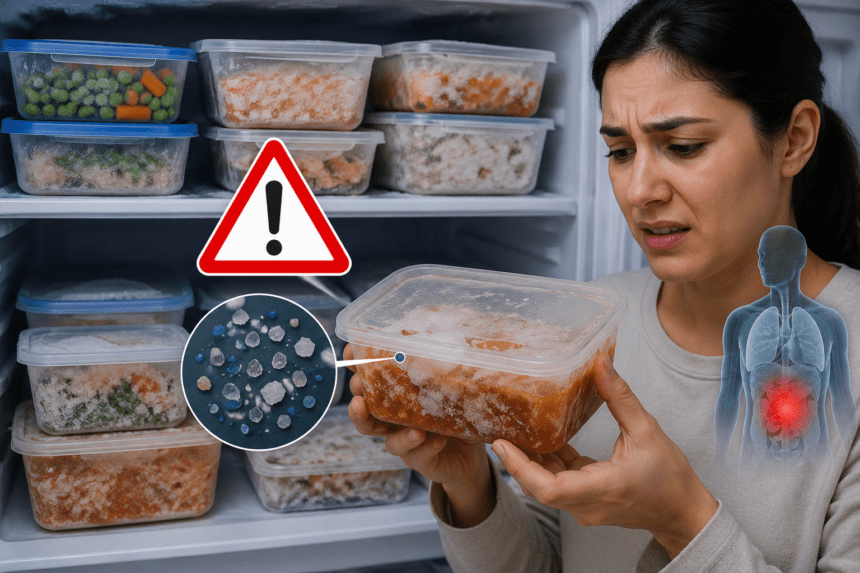
According to researchers and medical professionals, some plastic containers may release harmful chemicals into food when exposed to extreme temperatures, including freezing and reheating conditions. Experts say substances such as microplastics and chemical compounds can potentially contaminate stored food over time.
Specialists explain that repeated freezing, thawing, and heating of plastic containers may weaken the material, increasing the risk of chemical leakage into meals. Cracked, damaged, or old plastic boxes are considered particularly unsafe because they may break down more easily under temperature changes.
Health experts recommend using BPA-free, food-grade containers specifically designed for freezer use. Glass containers, stainless steel storage options, or high-quality freezer-safe materials are often considered safer alternatives for preserving food.
Researchers also advise people to avoid placing hot food directly into plastic containers before freezing, as heat may increase chemical interaction with the material. Similarly, microwaving food in unsuitable plastic packaging may further raise potential health concerns.
Medical studies in recent years have increasingly focused on the impact of microplastics and chemical exposure on human health. Scientists continue investigating possible links between prolonged chemical exposure and hormonal, digestive, and other health-related issues.
Nutritionists emphasize that proper food storage remains essential for maintaining freshness and preventing bacterial contamination, but consumers should also pay attention to the quality and safety standards of the containers they use daily.
The growing discussion around plastic safety reflects wider global concerns regarding food packaging, environmental pollution, and long-term health effects associated with plastic consumption and exposure.