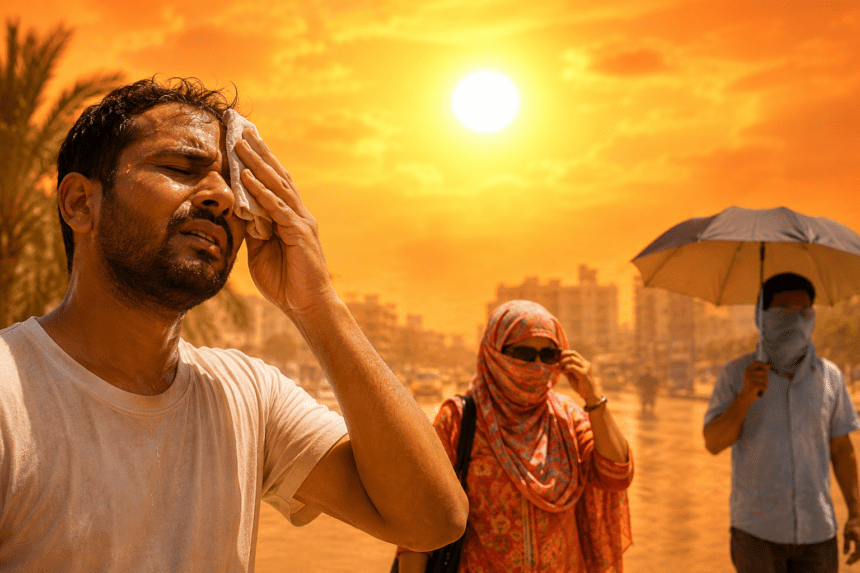
Health authorities and weather experts are urging citizens to take extra precautions as severe heatwave conditions and intense hot winds continue affecting several regions, increasing the risk of heat-related illnesses.
According to meteorological officials, rising temperatures combined with strong, dry winds — commonly known as “loo” — can create dangerous conditions, particularly during afternoon hours when heat intensity reaches its peak. Experts warn that prolonged exposure to extreme heat may lead to dehydration, heat exhaustion, dizziness, and even life-threatening heatstroke.
Medical professionals have advised people to avoid unnecessary outdoor activities during peak daytime hours, especially between late morning and early evening. Children, elderly individuals, outdoor workers, and people with existing medical conditions are considered most vulnerable to severe heat effects.
Health experts recommend staying hydrated by drinking plenty of water and fluids throughout the day, even if thirst is not felt immediately. Citizens are also encouraged to wear light-colored and loose-fitting clothing, use umbrellas or caps outdoors, and remain in shaded or cool environments whenever possible.
Doctors further advised avoiding caffeinated drinks, excessive physical exertion, and direct sunlight exposure for long periods. People experiencing symptoms such as high fever, rapid heartbeat, weakness, confusion, or nausea are urged to seek immediate medical attention.
Authorities have also instructed hospitals and emergency services to remain prepared for a possible increase in heat-related patients as temperatures continue to rise in multiple areas. Public awareness campaigns are being promoted to educate citizens on preventing heatstroke and protecting vulnerable family members.
Climate experts note that heatwaves are becoming more frequent and intense in South Asia due to changing weather patterns and climate-related environmental shifts. Urban areas with dense populations and limited green spaces often experience even higher temperatures because of the “urban heat island” effect.
Officials continue advising citizens to follow weather updates and prioritize safety measures until temperatures begin to decline.