The Khyber Pakhtunkhwa Livestock Department has issued a public advisory regarding the prevention of Congo virus infections in Peshawar and surrounding areas, urging citizens and livestock handlers to take precautionary measures, particularly ahead of increased animal movement during the Eid season.
According to officials, the advisory was released to raise awareness about Crimean-Congo Hemorrhagic Fever (CCHF), a potentially dangerous viral disease that can spread through infected animals, ticks, or contact with contaminated blood and tissues during animal handling and slaughtering activities.
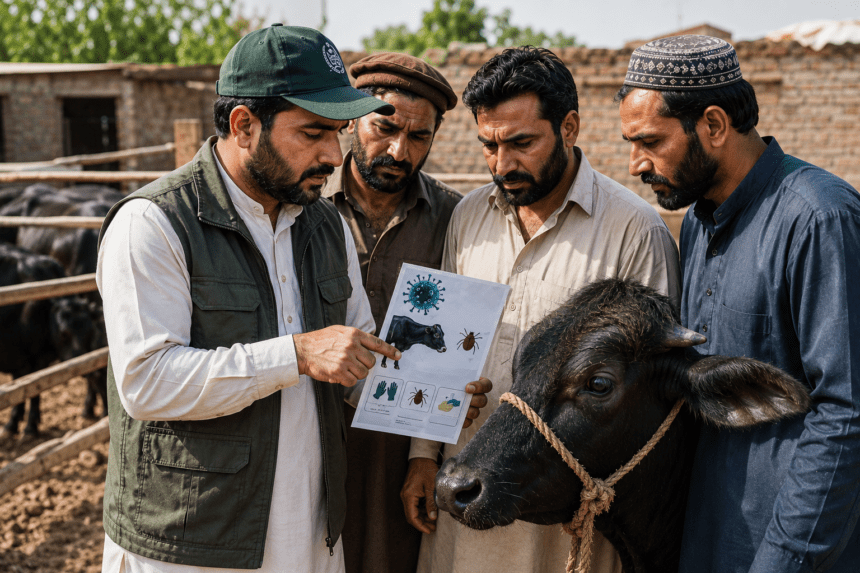
The department advised livestock traders, butchers, farmers, transporters, and the general public to strictly follow health and hygiene precautions while dealing with animals. Authorities recommended using gloves, masks, protective clothing, and disinfectants when handling livestock or performing slaughter-related activities.
Officials also urged citizens to avoid direct contact with animal blood and waste materials and to ensure animals are sprayed with anti-tick medicines before transportation or sale. Veterinary teams and monitoring staff have reportedly been instructed to remain vigilant in cattle markets and livestock transportation routes.
Health experts warn that Congo virus cases often increase around Eid-ul-Adha due to higher levels of animal trading and slaughtering activities. Symptoms of the disease may include high fever, muscle pain, bleeding, weakness, headache, and nausea, while severe cases can become life-threatening if not treated early.
The advisory further encouraged people to immediately seek medical attention if symptoms appear after contact with animals or livestock environments. Hospitals and health authorities have also been advised to remain alert and strengthen surveillance systems to prevent possible outbreaks.
Authorities say public awareness and preventive measures remain critical in controlling the spread of Congo virus, especially during periods of increased livestock movement across the country.