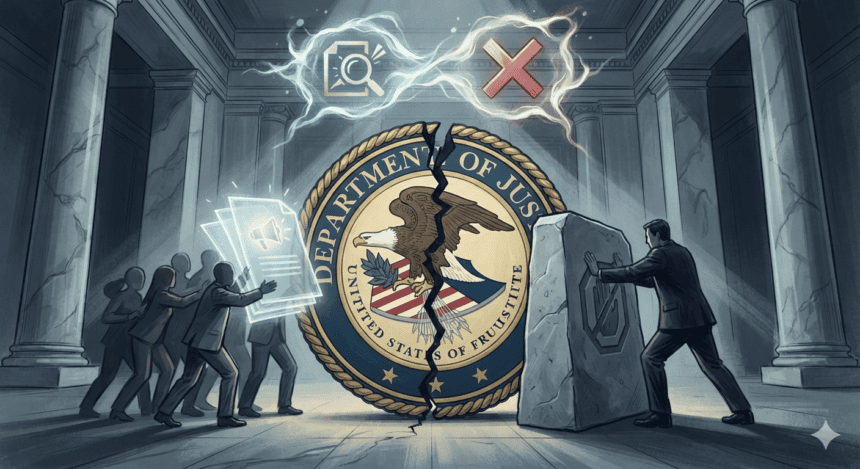
The U.S. Department of Justice has formally pushed back against allegations that it mishandled investigations into anti-Semitism on college campuses, dismissing claims from a whistleblower that political pressure swayed the department’s oversight.
The dispute centers on a complaint filed by a former staffer who alleged that senior officials at the Civil Rights Division intentionally delayed or stifled investigations into campus discrimination to avoid political friction. The whistleblower argued that the department’s commitment to enforcing Title VI of the Civil Rights Act had been compromised by internal hesitation to confront high-profile universities.
Justice Department leadership, however, denies the allegations. In a statement issued Tuesday, a spokesperson for the department characterized the claims as “baseless,” asserting that the Civil Rights Division maintains strict independence in its investigative priorities. The department insists that its docket of open investigations remains active and follows standard, evidence-based procedures.
The tension arrives at a volatile moment for American higher education. Since the October 7 attacks in Israel, the Department of Education and the DOJ have faced mounting pressure from lawmakers and advocacy groups to take a harder line against rising reports of anti-Semitic harassment. Critics argue that the federal response has been reactive rather than preventative, while university administrators often claim they are balancing student safety with protections for free speech.
The whistleblower’s testimony—which has circulated among several congressional oversight committees—points to specific internal memos that allegedly suggested a “soft touch” approach regarding certain private institutions. These documents purportedly detail concerns from mid-level attorneys who felt their recommendations for deeper discovery were overruled by political appointees.
Republicans on the House Judiciary Committee have signaled they intend to press the DOJ for further transparency, citing the whistleblower’s account as evidence of a systemic failure. The department is expected to face a series of inquiries in the coming weeks, though it has yet to release the internal communications requested by committee leadership.
For now, the DOJ maintains that its enforcement actions are dictated by the merits of each case, not by external political optics. Whether that defense holds up under the scrutiny of an ongoing congressional investigation remains the central question for the department’s leadership.