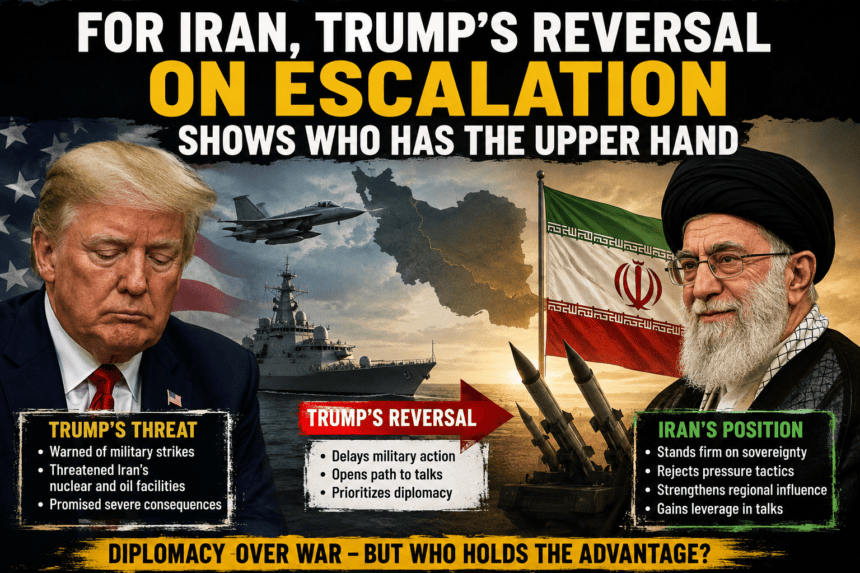
Washington / Tehran – U.S. President Donald Trump’s latest decision to step back from threatened military escalation against Iran has intensified debate over which side currently holds the strategic advantage in the ongoing confrontation. While the White House describes the move as a calculated effort to create space for diplomacy, many analysts argue that the repeated cycle of threats followed by reversals has strengthened Tehran’s negotiating position.
The latest shift came after Trump warned of possible strikes against key Iranian infrastructure, including energy facilities, if Tehran failed to curb its nuclear activities and regional military operations. Within days, however, the administration announced that military action would be postponed to allow renewed diplomatic negotiations, saying talks with Iranian representatives were expected to begin soon.
According to officials and regional reports, Gulf allies—including Saudi Arabia and Qatar—encouraged Washington to avoid immediate military action, warning that a broader conflict could destabilize the Middle East, disrupt global energy markets, and trigger retaliation against neighboring countries. These concerns reportedly played a significant role in Trump’s decision to prioritize negotiations over strikes.
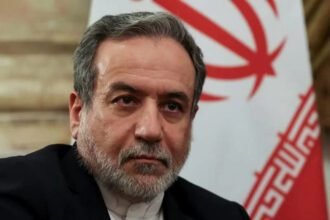
Iran has maintained that it will continue defending its sovereignty while rejecting what it calls American pressure tactics. Iranian officials deny requesting a pause in hostilities, insisting that any negotiations must be based on mutual respect rather than military threats. Tehran has also continued to emphasize that its nuclear program is peaceful, despite Western concerns over its enrichment activities.
Foreign policy analysts say Trump’s repeated pattern of issuing forceful warnings before stepping back may reduce the credibility of future U.S. military threats. Some argue that Iran has learned Washington is reluctant to enter a prolonged regional war, allowing Tehran to negotiate from a stronger position while maintaining pressure through its regional influence and strategic leverage over vital shipping routes such as the Strait of Hormuz.
Supporters of the administration, however, defend Trump’s approach as a form of “maximum pressure diplomacy,” arguing that credible military threats combined with negotiations have historically produced better outcomes than immediate military intervention. They contend that avoiding war while keeping diplomatic channels open demonstrates strategic restraint rather than weakness.
The coming round of negotiations is expected to focus on Iran’s nuclear program, maritime security in the Gulf, sanctions relief, and measures to reduce the risk of further military escalation. Although both sides remain deeply divided, diplomats hope that continued dialogue can prevent a wider regional conflict with significant global economic consequences.
As tensions persist, Trump’s reversal underscores the delicate balance between military pressure and diplomacy. Whether the decision ultimately reflects strategic flexibility or signals that Iran has gained the upper hand will likely depend on the outcome of the upcoming negotiations and developments across the region.