ISLAMABAD: Electricity consumers across Pakistan may see another adjustment in their power bills as authorities prepare to pass on a positive fuel charges adjustment of Rs1.73 per unit for April 2026, mainly because of higher generation costs and limited RLNG supply.
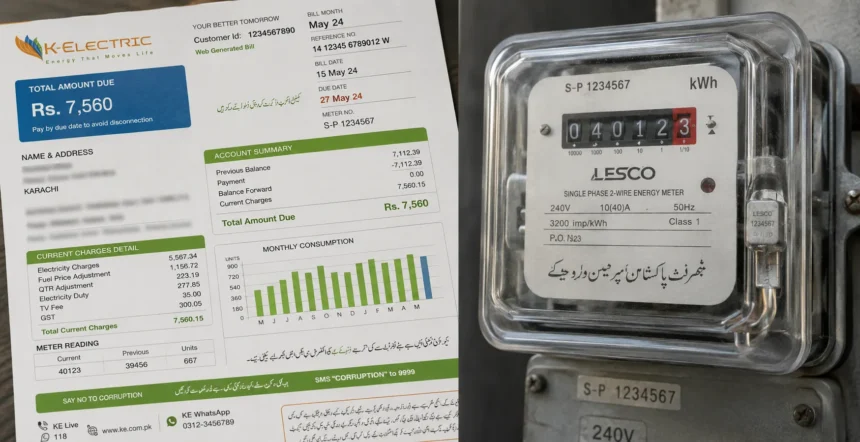
The proposed adjustment carries a financial impact of more than Rs14 billion, according to reporting based on Power Division figures. The rise, however, may not hit consumers as sharply as feared because it is expected to be offset by a negative quarterly tariff adjustment of Rs1.93 per unit for January–March 2026. In practical terms, officials say the combined impact could leave consumers with a small net relief of around 20 paisa per unit in June bills rather than a steep increase.
Still, the headline worry remains real: fuel costs are moving up again, and Pakistan’s monthly billing system means consumers often feel those changes quickly. The April FCA was reportedly driven by negligible RLNG supply, greater reliance on costlier furnace oil, and pressure from higher international fuel prices. The Power Division has said government measures helped contain what could have been a much heavier Rs5–Rs6 per unit increase.
This comes after NEPRA had already approved a Rs1.42 per unit fuel cost adjustment for February 2026, collected through April bills. That adjustment applied to consumers of both ex-Wapda distribution companies and K-Electric, though lifeline consumers, electric vehicle charging stations, and prepaid consumers were exempted.
The bigger story is Pakistan’s fragile power-pricing structure. Under IMF-linked reforms, the government is under pressure to keep electricity tariffs closer to actual costs, reduce circular debt, and continue monthly fuel and quarterly tariff adjustments. The IMF completed its third review of Pakistan’s Extended Fund Facility on May 8, 2026, saying energy-sector viability remains one of the core reform priorities.
For ordinary households, that means bills remain vulnerable to fuel prices, exchange-rate movements, capacity payments, and changes in subsidy policy. Analysts earlier warned that proposed power-pricing reforms could shift more of the burden onto middle-class consumers while easing electricity costs for industries. Reuters reported that some analysts expected middle-class households to face sharply higher power costs under the restructuring plan.
There is one softer patch in the outlook. DISCO consumers are also expected to receive relief over the June–August period because of lower capacity charges in the first quarter of 2026. Dawn reported that NEPRA had taken up a request for a refund of nearly Rs64 billion, estimated at about Rs1.75 per unit over three months. But that relief could be partly eaten up by monthly fuel adjustments if imported fuel remains expensive.
For now, consumers should expect electricity bills to remain uneven: a relief in one line item, a rise in another. That’s the uncomfortable rhythm of Pakistan’s power sector — and unless fuel supplies stabilize and circular debt pressures ease, households may keep seeing tariff shocks, even when the government says it has avoided a “major” hike.