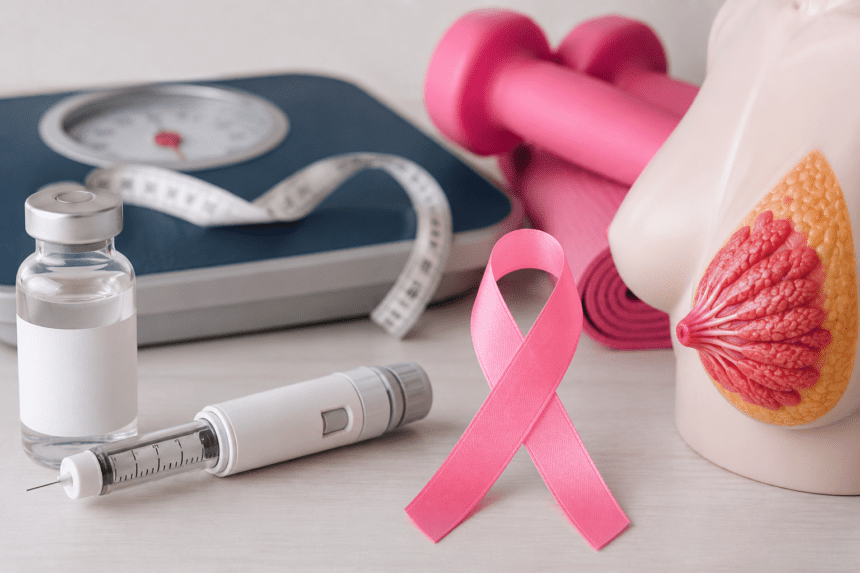
New research suggests that weight-loss medications could significantly lower the risk of developing breast cancer, with some studies indicating a reduction of up to 30% among certain groups of women.
Researchers say obesity is a well-established risk factor for breast cancer, particularly after menopause. Medications that help people achieve substantial weight loss may reduce cancer risk by improving metabolic health, lowering inflammation, and regulating hormone levels linked to tumor development.
According to the studies, women who experienced significant weight reduction while using anti-obesity medications showed a lower incidence of breast cancer compared to those who did not receive similar treatment. Scientists believe that reducing excess body fat may decrease the production of hormones and inflammatory compounds that can contribute to cancer growth.
Experts caution, however, that the findings are still emerging and do not mean that weight-loss drugs should currently be used specifically as a breast cancer prevention treatment. More long-term clinical research is needed to confirm the relationship and determine which patients may benefit the most.
Medical professionals emphasize that maintaining a healthy weight through a balanced diet, regular physical activity, and routine health screenings remains one of the most effective ways to reduce breast cancer risk. They also advise patients to use weight-loss medications only under the guidance of a qualified healthcare provider.
The findings add to growing evidence that treatments targeting obesity may provide broader health benefits beyond weight management, potentially helping to reduce the risk of several chronic diseases, including certain types of cancer.