KABUL:
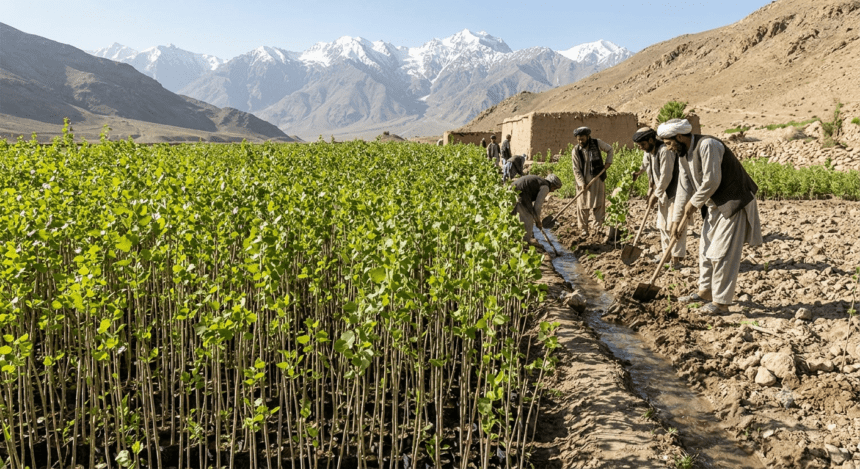
Across Afghanistan, communities are increasingly turning toward tree planting and orchard farming as a means of improving livelihoods and restoring degraded land, with poplars and pistachio trees emerging as key symbols of this shift.
In several rural provinces, farmers who once relied on short-term crops are now investing in long-term forestry and fruit-bearing trees. Poplar trees, known for their fast growth and use in timber and construction, are being planted widely to meet rising demand in local markets. Meanwhile, pistachio orchards are gaining popularity due to their high economic value and suitability to Afghanistan’s dry climate.
Agricultural experts say this gradual shift reflects a broader awareness among Afghan communities about environmental degradation, deforestation, and the need for sustainable land use. Years of conflict, fuel shortages, and illegal logging have significantly reduced forest cover in many regions.
In response, local initiatives and farming cooperatives have begun promoting tree-planting campaigns, offering both environmental and financial incentives. Pistachio farming, in particular, is being seen as a long-term investment that can support rural incomes and boost export potential.
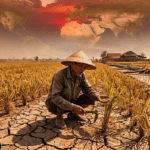
However, challenges remain, including water scarcity, lack of modern farming equipment, and limited access to agricultural training. Despite these obstacles, the trend toward tree cultivation continues to grow, signaling a slow but meaningful shift in rural Afghan economies.
Experts believe that if supported with proper policy and investment, Afghanistan’s forestry and orchard sectors could play a key role in economic recovery and environmental restoration.