By using this site, you agree to the Privacy Policy and Terms of Use.
Accept
Media HydeMedia Hyde
  • Home
  • Politics
  • Education
  • Entertainment
  • Sports
  • Blogs
  • Business & Commerce
  • Others
    • Religious
    • Metropolitan
    • Climate and Weather
Font ResizerAa
Media HydeMedia Hyde
Font ResizerAa
  • Home
  • Politics
  • Education
  • Entertainment
  • Sports
  • Blogs
  • Business & Commerce
  • Others
    • Religious
    • Metropolitan
    • Climate and Weather
Follow US
© 2026 Media Hyde Network. All Rights Reserved.
Climate and WeatherHeadline

Tensions Are Rising Between States That Rely on the Colorado River

Last updated: June 16, 2026 1:02 am
Ayesha Masood
Share
Tensions Are Rising Between States That Rely on the Colorado River
SHARE

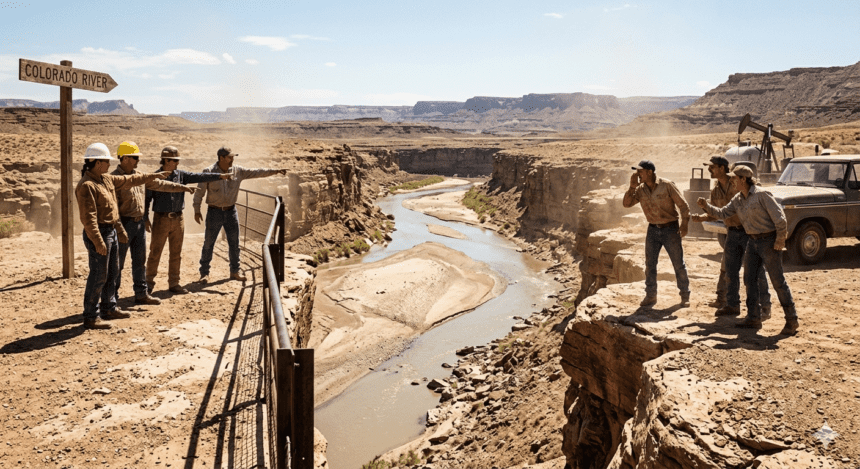
Growing water shortages and prolonged drought conditions are increasing tensions among the U.S. states that depend on the Colorado River, one of the country’s most important sources of freshwater.

The Colorado River supplies water to millions of people across seven western states and supports agriculture, industry, and hydroelectric power generation. However, years of below-average rainfall, rising temperatures, and heavy water consumption have significantly reduced the river’s flow, forcing governments to reconsider how its limited resources should be shared.

States that rely heavily on the river are engaged in discussions over water allocation, with some calling for stricter conservation measures while others argue for maintaining existing usage rights. The differing priorities have made negotiations increasingly difficult as demand continues to outpace supply.

Farmers are particularly concerned about the potential impact on irrigation, as reduced water availability could affect crop production and local economies. Urban areas that depend on the river for drinking water are also facing pressure to adopt conservation strategies and invest in alternative water sources.

Environmental experts warn that declining river levels could damage ecosystems, reduce wildlife habitats, and threaten the long-term sustainability of reservoirs and hydroelectric facilities. They stress that cooperation among states will be essential to manage the river effectively in the face of climate change.

Officials continue to work on agreements aimed at balancing water needs while protecting the river’s future, but experts believe lasting solutions will require long-term planning, improved water management, and significant conservation efforts.


Share This Article
Email Copy Link Print
Previous Article Karachi Braces for Dust Storms and Rain Through June 20 Karachi Braces for Dust Storms and Rain Through June 20
Leave a Comment

Leave a Reply Cancel reply

Your email address will not be published. Required fields are marked *

Sponsored Ads

Stay Connected

FacebookLike
XFollow
InstagramFollow
YoutubeSubscribe
WhatsAppFollow
ThreadsFollow
Karachi Braces for Dust Storms and Rain Through June 20
Climate and Weather Headline
June 16, 2026
Rs200 Prize Bond Draw Results for June 2026 Announced
Business & Commerce
June 15, 2026
Dollar and Other Currency Rates in Pakistan Today – June 15, 2026
Business & Commerce
June 15, 2026
Oil Prices Fall as Dow Hits Record High on US-Iran Deal Optimism
Economy
June 15, 2026
Another Mpox Case Reported in Karachi, Total Cases Reach 11 This Year: Health Department Spokesperson
Health
June 15, 2026
MQM Pakistan Senior Leader Syed Mustafa Kamal Announces Muttahida Health Care Committee
Health
June 15, 2026

You Might Also Like

Climate and Weather

22 Dead, 11 Injured as Heavy Rains and Floods Wreak Havoc in Khyber Pakhtunkhwa

By
Wajeeha Batool
Karachi Heat Warning as PMD Experts Flag Risk of ‘Super El Niño’ by Late Summer
Climate and Weather

Karachi Heat Warning as PMD Experts Flag Risk of ‘Super El Niño’ by Late Summer

By
Yamna Shahid
WASHINGTON: UnitedHealth has warned that the Trump administration’s planned Medicare obesity-drug pilot faces “notable challenges,” casting doubt over how smoothly the program can move ahead if major insurers stay cautious. Recent market reporting said the model depends heavily on participation from Medicare drug plans that cover most Part D enrollees, which makes the stance of large insurers especially important. The concern centers on a broader CMS effort to expand access to GLP-1 weight-loss medicines for seniors. Under CMS’s published framework, the longer-term BALANCE Model would begin in Medicare Part D in January 2027, while a temporary Medicare GLP-1 Bridge is designed to start earlier and give eligible beneficiaries short-term access before that main model begins. What makes this a little more complicated is that the short-term bridge and the longer pilot are not the same thing. CMS says the Medicare GLP-1 Bridge operates outside the normal Part D coverage and payment flow, meaning Part D sponsors are not directly involved in that bridge arrangement. In other words, insurer participation is a much bigger issue for the 2027 BALANCE rollout than for the bridge itself. That distinction matters because investors and drugmakers are watching this closely. Reports said shares of obesity-drug makers fell after UnitedHealth’s comments, largely because Medicare coverage is seen as a huge growth opportunity for drugs such as Wegovy and Zepbound. If major insurers hesitate, the program could struggle to achieve the scale CMS appears to want. There is already some evidence of resistance. MarketWatch reported that CVS Health has opted out, while UnitedHealth is still evaluating the structure and discussing possible changes with Medicare officials. That does not mean the program is dead, not yet anyway, but it does suggest the administration may need to revise the design or sweeten the terms if it wants broader insurer buy-in. The bigger backdrop here is cost. Medicare has long been wary of broad obesity-drug coverage because GLP-1 therapies are expensive and potentially involve very large patient populations. Earlier policy debates around these drugs were shaped by concerns that wide coverage could drive up federal spending sharply, even as supporters argued the medicines could reduce longer-term health costs tied to obesity. So the headline problem for CMS is pretty straightforward: it has created a short-term bridge that can move without direct Part D plan involvement, but the more ambitious long-term Medicare model still appears to need insurers on board. UnitedHealth’s warning does not shut the door, but it does signal that one of the industry’s biggest players thinks the current setup may not be ready for easy launch.
HeadlineHealth

UnitedHealth raises red flags over Medicare obesity-drug pilot

By
Mabruka Khan
Woman, daughter found slain in Gujranwala; police launch manhunt
Court & CrimeHeadline

Woman, daughter found slain in Gujranwala; police launch manhunt

By
Ayesha Masood
Media Hyde Media Hyde Dark
Facebook Twitter Youtube Rss Medium

About US

Media Hyde Network: Your instant connection to breaking stories and live updates. Stay informed with our real-time coverage across politics, tech, entertainment, and more. Your reliable source for 24/7 News.

Top Categories
  • Headline
  • Politics
  • Entertainment
  • Education
  • Sports
  • Religious
  • Metropolitan
  • Climate and Weather
Usefull Links
  • Contact Us
  • Disclaimer
  • Privacy Policy
  • Cookies Policy
  • Advertising Policy
  • Terms & Conditions

© 2025 Media Hyde Network. All Rights Reserved.

Welcome Back!

Sign in to your account

Username or Email Address
Password

Lost your password?