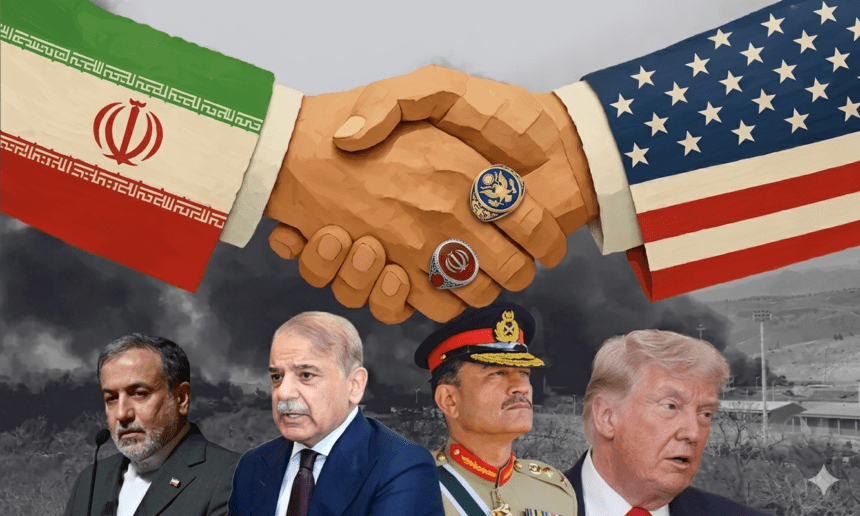
ISLAMABAD: Pakistan’s role in facilitating a recent agreement between the United States and Iran has enhanced the country’s diplomatic profile, but analysts say the real challenge lies in converting that success into long-term economic and strategic benefits.
The agreement, reached after weeks of intensive diplomacy, is not a permanent peace treaty but an interim framework designed to halt hostilities and create a 60-day window for negotiations on key issues, including sanctions relief, nuclear restrictions and regional security arrangements.
Observers note that Pakistan’s involvement was driven not only by diplomatic considerations but also by national interests. A prolonged confrontation between Washington and Tehran could have threatened Pakistan’s economic stability and security due to its shared border with Iran and reliance on Gulf energy supplies.
The mediation effort has drawn international attention to Pakistan’s diplomatic capabilities, helping shift perceptions from a country facing economic and political challenges to one capable of contributing to regional conflict resolution.
Experts believe the most immediate benefit for Pakistan is improved regional stability. Reduced tensions between the United States and Iran could ease security pressures along Pakistan’s western border and lower the risk of disruptions to energy supplies and trade routes.
Economic opportunities may also emerge if sanctions on Iran are gradually eased. Increased regional trade and commercial activity could create new openings for Pakistan to serve as a transit and logistics hub connecting Iran with international markets.
Analysts point to the strategic importance of Gwadar Port, which could benefit from increased trade flows if Pakistan develops the infrastructure and regulatory framework needed to attract investment and facilitate commerce.
However, experts caution that geography alone will not guarantee success. They stress that Pakistan must improve policy implementation, strengthen trade facilitation measures and ensure regulatory commitments are translated into practical outcomes.
Recent interest from Iranian businesses, including trade delegations exploring imports from Pakistan, highlights the potential for stronger economic ties. Yet analysts warn that Pakistan’s ability to capitalize on these opportunities will depend on its capacity to translate diplomatic achievements into sustained economic policies.
While Pakistan’s mediation efforts have earned international recognition, observers say the country’s long-term success will be measured by whether it can leverage that diplomatic momentum into tangible economic and strategic gains.