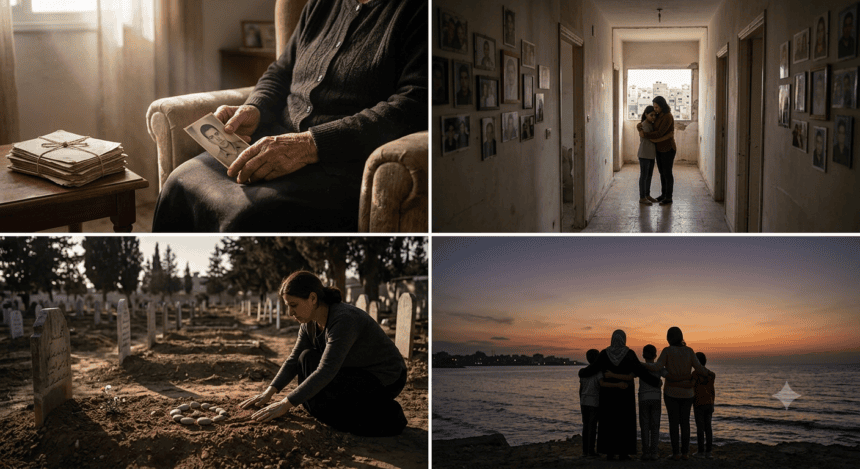
The wait lasted 1,095 days. For the families of those killed in the early phases of the Gaza conflict, the closure of a proper burial was a luxury they couldn’t afford. This week, as local authorities and humanitarian teams finally cleared the rubble of demolished residential blocks, the process of recovering long-lost remains began, forcing families to confront a trauma they thought they had buried years ago.
For many, the recovery isn’t about finding a person anymore; it’s about finding a fragment.
“I didn’t recognize him, but I knew the shirt,” said Ahmed, a father who spent three years checking lists at local hospitals before a recovery team signaled his neighborhood in Gaza City was finally being cleared. “I wanted to hug whatever remained, but there was nothing left to hold. I just touched the soil where he was pulled out.”
The delay in these burials is a direct consequence of the ongoing blockade and the sheer scale of the destruction. With heavy machinery restricted and the healthcare system systematically dismantled, thousands of bodies remained trapped beneath the concrete of collapsed high-rises. Families were forced to hold “absentee funerals”—praying over empty shrouds—simply to begin the mourning process.
The return of these remains has triggered a secondary wave of grief. Forensic teams, working with minimal resources, are struggling to provide definitive identifications. In many cases, families are relying on scraps of clothing, personal items, or the specific location of the debris to claim their kin.
Local aid workers describe the scene at the burial sites as chaotic and desperate. There are no coffins. There is no time for the traditional three-day mourning period. The immediate concern is sanitation and the encroaching threat of disease as the remains are finally brought to the surface.
“We are burying people who have been part of the landscape for three years,” said a volunteer with the civil defense units. “The families are relieved, but the relief is hollow. They are just burying a memory that has finally been given a physical marker.”
International observers have repeatedly pointed to the lack of infrastructure for basic human dignity in the strip. While the focus of global headlines often shifts to the latest ceasefire negotiations or political maneuvering, the reality on the ground remains dictated by the physical remnants of the conflict.
For the families, the funeral is not a conclusion. It is a grim milestone in a timeline that shows no sign of ending. They have their dead back, but the questions of how, why, and what comes next remain as buried as the city itself.