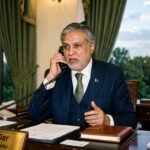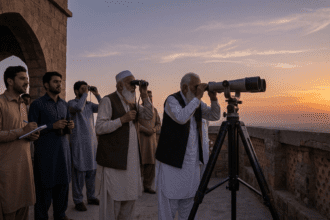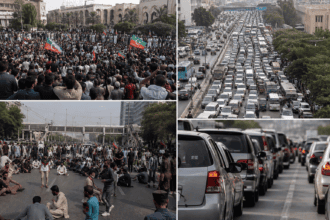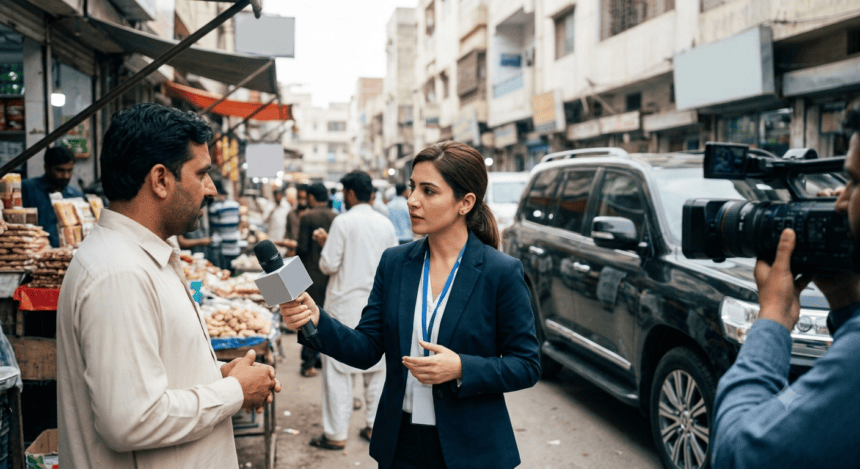
Foreign media personnel in Pakistan must now secure a No Objection Certificate (NOC) from the Ministry of Information and Broadcasting before reporting from any location outside Islamabad, Lahore, and Karachi.
The mandate, communicated through recent official directives, marks a sharp tightening of movement protocols for international correspondents. Under these rules, journalists must apply for clearance well in advance of any planned travel to districts or provinces outside the three designated metropolitan centers.
The ministry claims the move is intended to ensure the safety of foreign nationals. However, the policy effectively creates a layer of bureaucratic vetting for reporting on sensitive regions, including border areas and districts currently grappling with security or political volatility.
For many foreign news bureaus, the requirement complicates daily operations. News cycles often demand rapid deployment to areas where breaking stories emerge; waiting for ministry approval—a process that can take days or even weeks—threatens to stall on-the-ground coverage.
“It’s a significant hurdle for those trying to report on the ground,” said a senior correspondent for a major Western outlet, speaking on condition of anonymity due to the sensitivity of the issue. “If you have to ask permission to go to a location, you’re no longer operating as an independent observer. You’re operating on the government’s terms.”
The policy also mirrors broader efforts by the state to exert tighter control over the narrative surrounding Pakistan’s internal security and human rights landscape. By restricting access to areas outside the major cities, the government limits the visibility of peripheral issues that rarely reach the capital’s press corps.
This isn’t the first time the government has utilized NOCs to manage foreign reporting. In previous years, similar restrictions were applied sporadically, often depending on the prevailing security climate. The formalization of this policy as a blanket rule suggests a more systematic approach to managing how Pakistan is portrayed in international outlets.
The Ministry of Information has yet to clarify the criteria for approving or denying these requests, leaving journalists to navigate a vague process. As of now, the directive stands as a formal notification to all registered foreign media, signaling that the era of relatively unfettered movement for international press has come to an end.