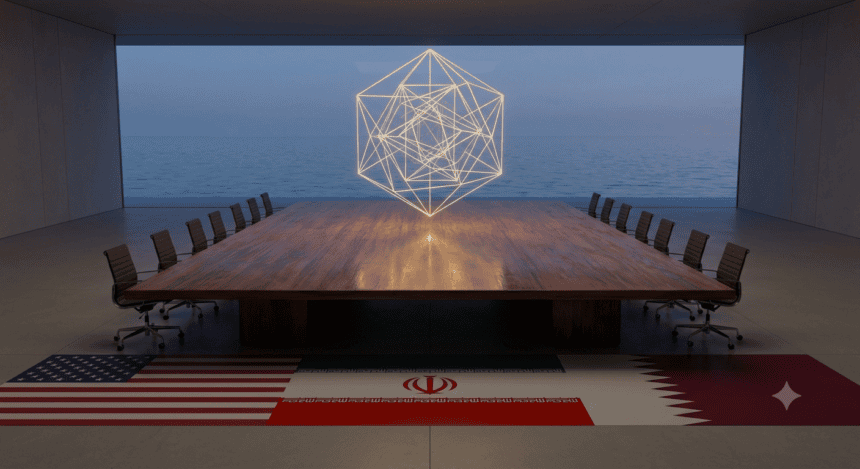
Doha is signaling a shift in the regional security deadlock. Qatari officials confirmed this week that their quiet, back-channel diplomacy has yielded “progress” in facilitating potential direct talks between Washington and Tehran aimed at de-escalating the conflicts currently destabilizing the Middle East.
The announcement comes as the Biden administration faces mounting pressure to leverage its influence over regional allies to prevent a wider conflagration. While the White House has historically maintained a policy of “maximum pressure” and indirect communication, Qatar’s role as the primary intermediary has become the most viable pipeline for message-passing.
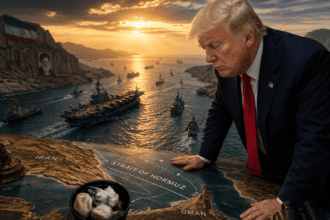
“We are seeing a narrowing of the gap,” a source familiar with the discussions in Doha said. The focus remains on a singular, high-stakes objective: ending the hostilities that have turned the Red Sea and surrounding borders into a powder keg.
The Biden administration remains cautious. Officials in Washington have repeatedly stated that they are not seeking war with Iran, yet they continue to authorize retaliatory strikes against Iranian-backed proxies in Iraq, Syria, and Yemen. This dual-track approach—deterrence through military force while simultaneously pursuing diplomatic off-ramps—is a delicate balancing act that has yet to produce a ceasefire.
Tehran’s position is equally complex. While the Iranian leadership has signaled a willingness to talk, they continue to link any regional de-escalation to the broader nuclear file and the lifting of punishing economic sanctions. For the Iranians, the talks in Doha are not just about the current war; they are about leverage.
Analysts warn that the “progress” cited by Doha may be fragile. Past attempts at direct US-Iran engagement have frequently collapsed under the weight of domestic political pressure in both capitals. With the US election cycle accelerating, the window for the current administration to secure a diplomatic win is closing fast.
Qatar’s persistence is driven by necessity. A regional war would be catastrophic for the Gulf states, jeopardizing the energy infrastructure that powers their economies. Doha is not merely acting as a messenger; it is acting as a firewall.
Whether this latest diplomatic push leads to a formal sit-down or simply a temporary cooling of tensions remains the central question. For now, the channels in Doha are open—and for the first time in months, both sides are actually listening.