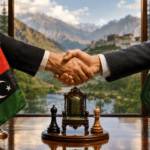
The first direct diplomatic engagement between the U.S. and Iran in months concluded in Geneva on Thursday, yielding a tentative framework for future negotiations but leaving the core disputes over nuclear enrichment and regional security unresolved.
Diplomats emerged from the two-day session offering guarded optimism. They spoke of a “constructive atmosphere,” yet the substantive gaps remain wide. The U.S. delegation, led by Special Envoy Robert Malley, focused on curbing Iran’s expanding nuclear program, while Tehran’s representatives demanded immediate sanctions relief as a prerequisite for any further progress.
The stakes are high. Iran is currently enriching uranium at levels nearing weapons-grade, a reality that has pushed regional tensions to a breaking point. Washington’s strategy hinges on a return to the 2015 nuclear deal constraints, a goal that looks increasingly distant as Tehran continues to install advanced centrifuges at the Natanz facility.
“We have a path forward, but the road is littered with obstacles that neither side seems eager to clear,” said a European diplomat familiar with the talks, speaking on condition of anonymity.
The divide isn’t just technical. Domestic political pressure in both capitals limits the room for maneuver. In Washington, lawmakers remain deeply skeptical of any deal that doesn’t address Iran’s ballistic missile program and its support for regional proxies. In Tehran, the hardline-dominated parliament has already signaled it would block any agreement that forces a premature rollback of their nuclear advancements.
Market watchers are already bracing for impact. Oil prices saw a brief dip following the news of the talks, but the lack of a concrete breakthrough sent them climbing back toward recent highs. Traders know that without a genuine deal, the current regime of sanctions—and the instability they fuel—will persist.
These talks were never intended to be a silver bullet. They were a reality check. By agreeing to meet again in two weeks, both sides have bought themselves time, but they have yet to produce the political capital required to turn these sessions into a lasting agreement.
For now, the diplomatic window remains cracked open. Whether it leads to a deal or another cycle of escalation depends entirely on which side moves first—and how much domestic heat they’re willing to take for it.