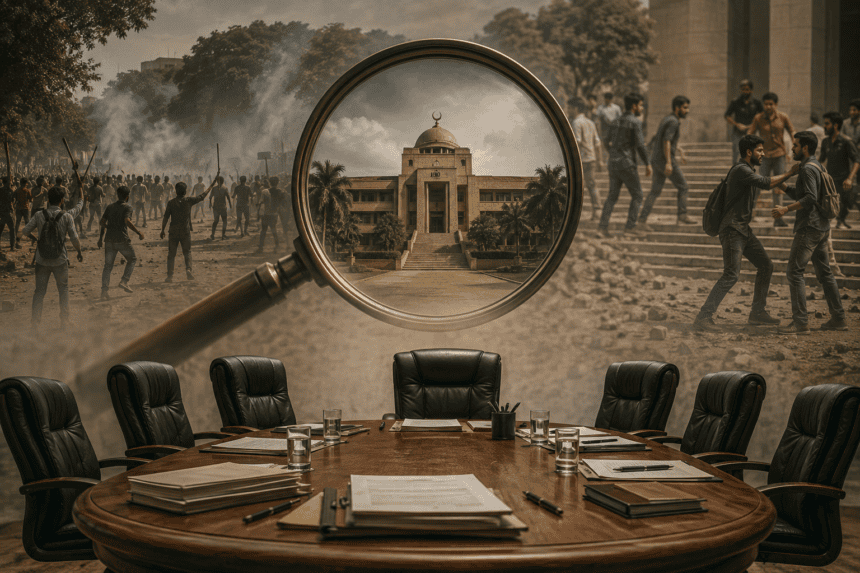
The Sindh government has formed a high-level inquiry committee to investigate the violent clashes that erupted at the University of Karachi earlier this week. The move follows escalating tensions between rival student organizations that left several students injured and prompted a temporary suspension of academic activities.
Provincial authorities confirmed the committee will be headed by a senior official from the Universities and Boards Department. Investigators have been given a strict 48-hour deadline to submit their findings, a timeline that suggests the government is feeling the heat to restore order on the campus.
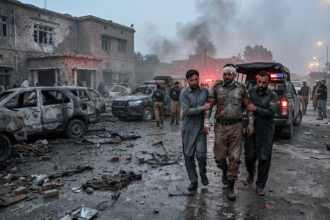
The clashes, which broke out on Tuesday, saw groups wielding sticks and stones in an open confrontation near the campus administration block. Witnesses described scenes of panic as students scrambled to safety while security personnel struggled to contain the brawls. At least three students required hospital treatment for head injuries, though all have since been discharged.
The university administration has faced sharp criticism for its failure to prevent the violence. Faculty members, speaking on condition of anonymity, pointed to a persistent lack of security oversight and the unchecked influence of political student wings as the primary drivers of the instability.
“We are tired of our classrooms turning into battlegrounds,” said one senior professor. “Students come here for degrees, not to settle political scores with violence. The administration has been reactive rather than preventative for far too long.”
This isn’t the first time the university has made headlines for campus unrest. Similar skirmishes have occurred periodically over the last two years, often rooted in disputes over student union activities and space allocation. Despite repeated promises from the university’s vice-chancellor to implement a zero-tolerance policy, the recurring nature of these events has left the student body disillusioned.
The inquiry committee is expected to identify the individuals responsible for inciting the violence and determine if there were lapses in the campus security protocol. Whether this investigation leads to tangible policy changes or follows the pattern of previous committees—which often result in little more than a report gathering dust—remains the central question for the university’s 40,000-plus students.
For now, the campus remains on high alert, with additional police deployments stationed at the main gates to monitor access and deter further conflict.