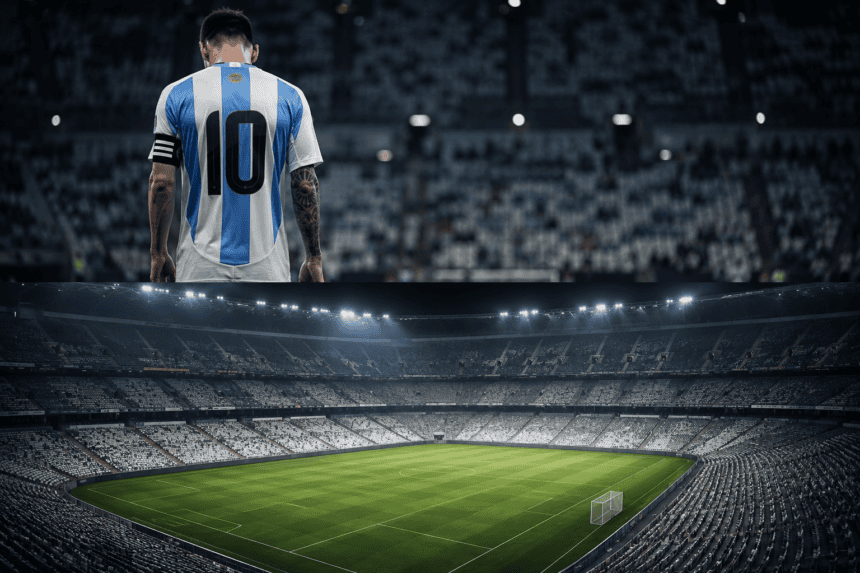
Lionel Messi might be the greatest to ever play the game, but he can’t force a fan to pay a month’s rent for 90 minutes of football. As FIFA gears up for the 2026 World Cup across North America, the governing body faces a blunt reality: their pricing strategy is alienating the very people who give the tournament its soul.
The warning signs aren’t just theoretical; they’re visible in the empty blue plastic of American stadiums. During the recent Copa América—a tournament many viewed as the ultimate dress rehearsal for 2026—swathes of vacant seats mirrored a growing resentment among fans. When the cheapest ticket in the nosebleeds starts at $200 and “premium” sideline spots command four figures, the “Messi effect” hits a hard ceiling.
FIFA is chasing a staggering $11 billion revenue target for the 2026 cycle. It’s an ambitious number that relies heavily on the North American market’s perceived “deep pockets.” But football isn’t the NFL. Its global fan base doesn’t always have corporate expense accounts to lean on. For a family of four, attending a single group-stage match could easily top $1,500 once parking and concessions are factored in.
“We want the atmosphere, but we’re being priced out of our own passion,” said Diego Alvarez, a long-time Argentina supporter who traveled to Atlanta for a qualifier. He ended up watching the match in a bar three miles from the stadium because ticket prices spiked 40% in the 24 hours before kickoff.
This isn’t just about optics. A World Cup thrives on the roar of a packed house. If the stands are populated only by the corporate elite and the occasional wealthy tourist, the tournament loses the raw, tribal energy that makes it the world’s biggest sporting event. Players feel it, too. A half-empty 70,000-seat stadium in Texas doesn’t provide the “home” advantage or the intimidation factor that defines international play.
The organizers are betting that the prestige of the World Cup brand will eventually override the sticker shock. They expect sell-outs regardless of the cost. But as the 2026 kickoff approaches, the empty rows seen during Messi’s recent U.S. appearances suggest otherwise.
If FIFA doesn’t blink on pricing, the 2026 World Cup won’t be remembered for the brilliance on the pitch. It’ll be remembered for the silence of stadiums where the seats were simply too expensive to sit in.