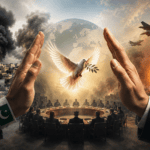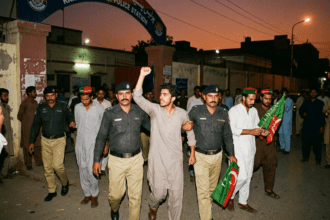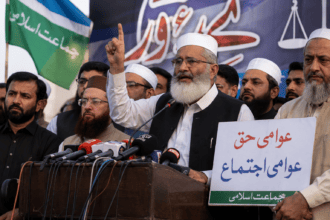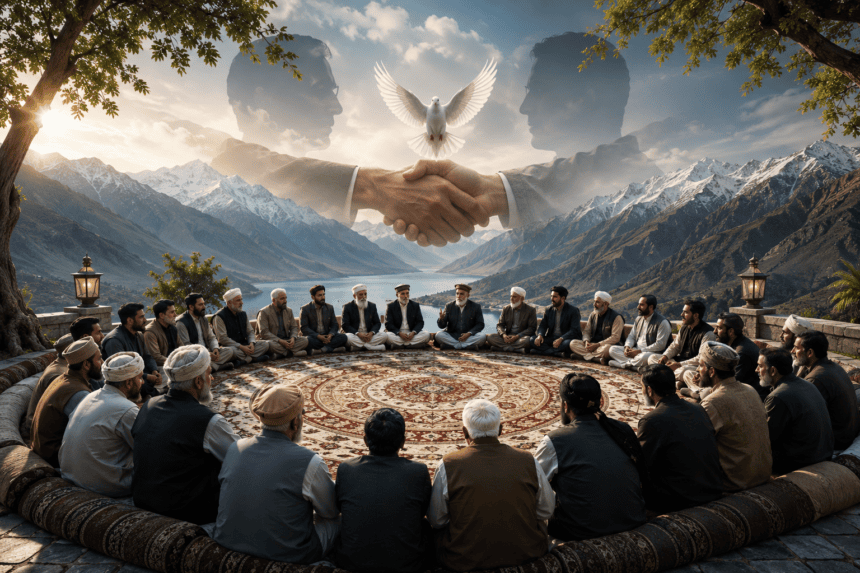
Jamaat-e-Islami (JI) is launching a “peace jirga” to mediate the deepening standoff between the Azad Jammu and Kashmir (AJK) government and the Joint Awami Action Committee (JAAC). The move follows weeks of civil unrest and protests that have brought the region to a virtual standstill.
JI leadership announced the initiative Wednesday, positioning the jirga as a neutral bridge. Their objective: force both sides back to the negotiating table before the current economic and political friction triggers further instability.
The conflict centers on the JAAC’s demands, which include lower electricity tariffs and subsidized wheat flour prices. Protesters have rejected government assurances, arguing that previous agreements were ignored. The AJK government, meanwhile, cites severe fiscal constraints, claiming it lacks the budgetary room to accommodate the committee’s demands without central intervention.
“We cannot stand by while the region burns,” said a JI spokesperson. “The government is using force, and the protesters are losing patience. Both are moving toward a point of no return.”
This isn’t the first attempt at mediation. Several informal efforts by local elders have failed to produce a lasting deal. The JI-led jirga hopes to change that by formalizing the process and bringing key stakeholders—including representatives from the business community and local transport unions—into the room.
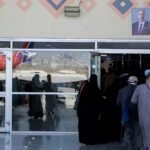
The stakes are high. The protests have crippled transport networks and disrupted daily life for millions. For the AJK government, failing to resolve this could lead to a complete breakdown of administrative authority. For the JAAC, the pressure is to secure tangible concessions without alienating the public through prolonged shutdowns.
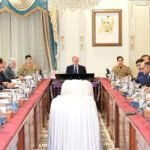
The jirga is expected to meet with AJK government officials within 48 hours to present a framework for talks. Whether the government is willing to bend on subsidy costs—or if the JAAC will moderate its demands—remains the central hurdle.
If the jirga fails, the region faces an indefinite expansion of the protest movement. For now, the focus is on whether a third-party mediator can extract the concessions that direct talks couldn’t.