By using this site, you agree to the Privacy Policy and Terms of Use.
Accept
Media HydeMedia Hyde
  • Home
  • Politics
  • Education
  • Entertainment
  • Sports
  • Blogs
  • Business & Commerce
  • Others
    • Religious
    • Metropolitan
    • Climate and Weather
Font ResizerAa
Media HydeMedia Hyde
Font ResizerAa
  • Home
  • Politics
  • Education
  • Entertainment
  • Sports
  • Blogs
  • Business & Commerce
  • Others
    • Religious
    • Metropolitan
    • Climate and Weather
Follow US
© 2026 Media Hyde Network. All Rights Reserved.
Business & Commerce

Pakistan Government Borrows Rs5.9 Trillion from Banks in FY26

Last updated: July 21, 2026 1:54 pm
Mabruka Khan
Share
Karachi: The Government of Pakistan borrowed approximately Rs5.9 trillion from commercial banks during the fiscal year 2025–26 (FY26) to meet its financing requirements, reflecting continued reliance on the domestic banking sector amid rising budgetary needs. The latest figures released by the State Bank of Pakistan (SBP) show that government borrowing remained elevated despite efforts to improve fiscal management. (dawn.com) According to the data, the bulk of the borrowing came through investments in government securities, including Treasury Bills (T-bills) and Pakistan Investment Bonds (PIBs). Banks continued to allocate a significant portion of their liquidity toward government debt, attracted by relatively high returns and lower investment risk compared with private-sector lending. (dawn.com) Economists note that while domestic borrowing helps the government finance its fiscal deficit, it may also reduce the availability of credit for businesses and private-sector investment. This phenomenon, commonly referred to as the "crowding out" effect, can limit economic expansion if banks prioritize government securities over lending to industries and businesses. (dawn.com) Financial analysts say the government's future borrowing requirements will depend on tax revenue growth, fiscal reforms, external financing inflows, and overall economic performance. They also emphasize that reducing the fiscal deficit and broadening the tax base will be essential to lowering reliance on domestic borrowing in the coming years.
SHARE

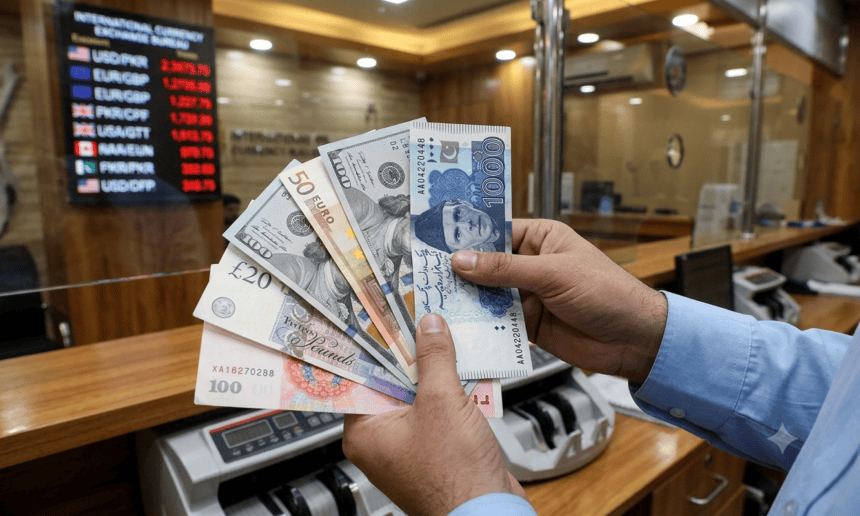
Karachi: The Government of Pakistan borrowed approximately Rs5.9 trillion from commercial banks during the fiscal year 2025–26 (FY26) to meet its financing requirements, reflecting continued reliance on the domestic banking sector amid rising budgetary needs. The latest figures released by the State Bank of Pakistan (SBP) show that government borrowing remained elevated despite efforts to improve fiscal management.

According to the data, the bulk of the borrowing came through investments in government securities, including Treasury Bills (T-bills) and Pakistan Investment Bonds (PIBs). Banks continued to allocate a significant portion of their liquidity toward government debt, attracted by relatively high returns and lower investment risk compared with private-sector lending.

Economists note that while domestic borrowing helps the government finance its fiscal deficit, it may also reduce the availability of credit for businesses and private-sector investment. This phenomenon, commonly referred to as the “crowding out” effect, can limit economic expansion if banks prioritize government securities over lending to industries and businesses.

Financial analysts say the government’s future borrowing requirements will depend on tax revenue growth, fiscal reforms, external financing inflows, and overall economic performance. They also emphasize that reducing the fiscal deficit and broadening the tax base will be essential to lowering reliance on domestic borrowing in the coming years.


Share This Article
Email Copy Link Print
Previous Article US Imposes New 50% Tariffs on $20 Billion Worth of Canadian Products US Imposes New 50% Tariffs on $20 Billion Worth of Canadian Products
Next Article Sana Javed and Farhan Saeed Celebrate Shoot Wrap of ‘Bas Tera Saath Ho’ Sana Javed and Farhan Saeed Celebrate Shoot Wrap of ‘Bas Tera Saath Ho’
Leave a Comment

Leave a Reply Cancel reply

Your email address will not be published. Required fields are marked *

Sponsored Ads

Stay Connected

FacebookLike
XFollow
InstagramFollow
YoutubeSubscribe
WhatsAppFollow
ThreadsFollow
Iranian Interior Minister Meets PM Shehbaz, CDF Munir in Islamabad
Politics
July 22, 2026
Trump Vows to Help Lebanon but Offers No Timeline for Israeli Withdrawal
Politics
July 22, 2026
Govt Increases Petrol Price by Rs4.93, Diesel by Rs7.15 Per Litre
Politics
July 21, 2026
Record Number of Osprey Chicks Hatched at Nature Reserve
Climate and Weather Headline
July 21, 2026
Rahul Gandhi detained outside PM Modi’s residence during protest
Breaking
July 21, 2026
Big Oil Knew: Documents Link Industry to Methane Ignorance
Climate and Weather Headline
July 21, 2026

You Might Also Like

Business & Commerce

Iranian rial trades at a sharp local premium in Pakistan on April 27

By
Ayan Ahmed
Iranian Rial Surges as US-Iran Peace Deal Sparks Market Optimism
Business & Commerce

Iranian Rial Surges as US-Iran Peace Deal Sparks Market Optimism

By
Mabruka Khan
Shipping Volume Hits Two-Month High in Strait of Hormuz Post US-Iran Accord Amid Massive AIS Signal Spoofing
Business & Commerce

Shipping Volume Hits Two-Month High in Strait of Hormuz Post US-Iran Accord Amid Massive AIS Signal Spoofing

By
Yamna Shahid
CCP clears PIA sale to consortium, says deal poses no competition risk
Business & Commerce

CCP clears PIA sale to consortium, says deal poses no competition risk

By
Yamna Shahid
Media Hyde Media Hyde Dark
Facebook Twitter Youtube Rss Medium

About US

Media Hyde Network: Your instant connection to breaking stories and live updates. Stay informed with our real-time coverage across politics, tech, entertainment, and more. Your reliable source for 24/7 News.

Top Categories
  • Headline
  • Politics
  • Entertainment
  • Education
  • Sports
  • Religious
  • Metropolitan
  • Climate and Weather
Usefull Links
  • Contact Us
  • Disclaimer
  • Privacy Policy
  • Cookies Policy
  • Advertising Policy
  • Terms & Conditions

© 2025 Media Hyde Network. All Rights Reserved.

Welcome Back!

Sign in to your account

Username or Email Address
Password

Lost your password?