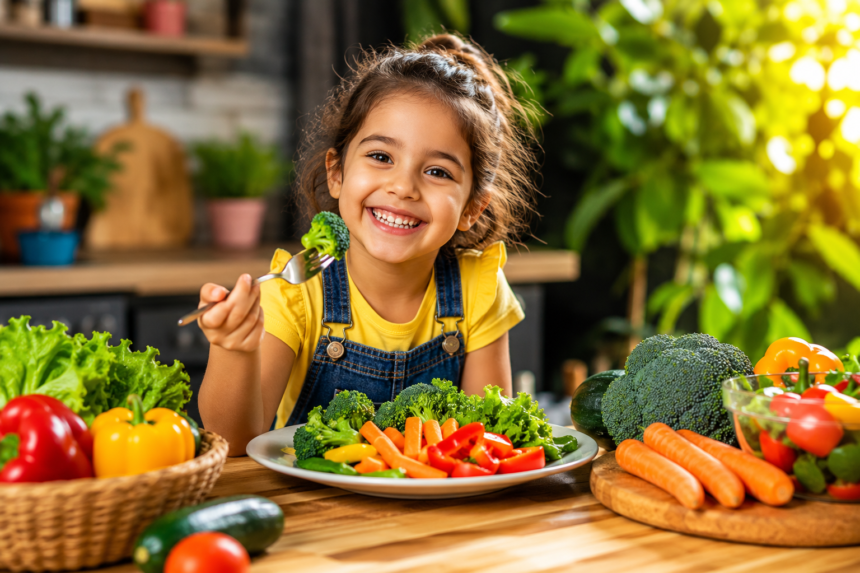
Why Vegetables Matter
Vegetables are packed with essential vitamins, minerals, fiber, and antioxidants that support healthy growth, strengthen the immune system, improve digestion, and reduce the risk of chronic diseases later in life. Establishing healthy eating habits early also lowers the likelihood of obesity and unhealthy food choices in adulthood.
1. Start Early
Introduce a variety of vegetables during infancy and early childhood. The earlier children become familiar with different flavors and textures, the more likely they are to accept them as they grow.
2. Offer Vegetables Repeatedly
Children may need to try a vegetable 10–15 times before they begin to like it. Don’t give up after one refusal—keep serving it in different ways without forcing them to eat it.
3. Be a Good Role Model
Children learn by watching adults. When parents regularly eat and enjoy vegetables, children are much more likely to follow their example.
4. Make Meals Colorful
Serve a variety of colorful vegetables such as carrots, broccoli, spinach, bell peppers, cucumbers, and tomatoes. Bright, attractive plates can make vegetables more appealing to young children.
5. Involve Kids in Cooking
Allow children to help wash vegetables, mix salads, or prepare simple dishes. Kids are often more willing to taste foods they helped prepare.
6. Grow Vegetables Together
Even a small garden or a few pots at home can spark children’s curiosity about fresh produce. Watching vegetables grow encourages them to taste what they have helped nurture.
7. Avoid Using Food as a Reward
Using sweets as rewards can make vegetables seem like a chore. Instead, praise children for trying new foods and celebrate healthy choices with encouragement.
8. Keep Healthy Options Available
Place washed and cut vegetables within easy reach. Healthy snacks such as cucumber sticks, cherry tomatoes, carrot sticks, or bell pepper slices make nutritious choices more convenient.
9. Be Patient and Positive
Avoid forcing children to finish vegetables on their plate. Gentle encouragement and a relaxed family mealtime create a positive relationship with healthy foods.
10. Make Vegetables Part of Everyday Meals
Include vegetables at breakfast, lunch, dinner, and snacks. Add spinach to omelets, tomatoes to sandwiches, vegetables to soups, or carrots and cucumbers as side dishes to make them a natural part of daily eating.
Common Mistakes to Avoid
- Forcing children to eat vegetables.
- Offering vegetables only when children are already full.
- Giving up after a few refusals.
- Criticizing picky eating instead of encouraging small improvements.
- Relying heavily on processed foods instead of fresh produce.
Final Thoughts
Helping children enjoy vegetables isn’t about one perfect meal—it’s about building healthy habits over time. With patience, consistency, and positive family routines, children can develop a lifelong appreciation for vegetables and the many health benefits they provide. Small daily efforts today can lead to healthier eating habits for years to come.