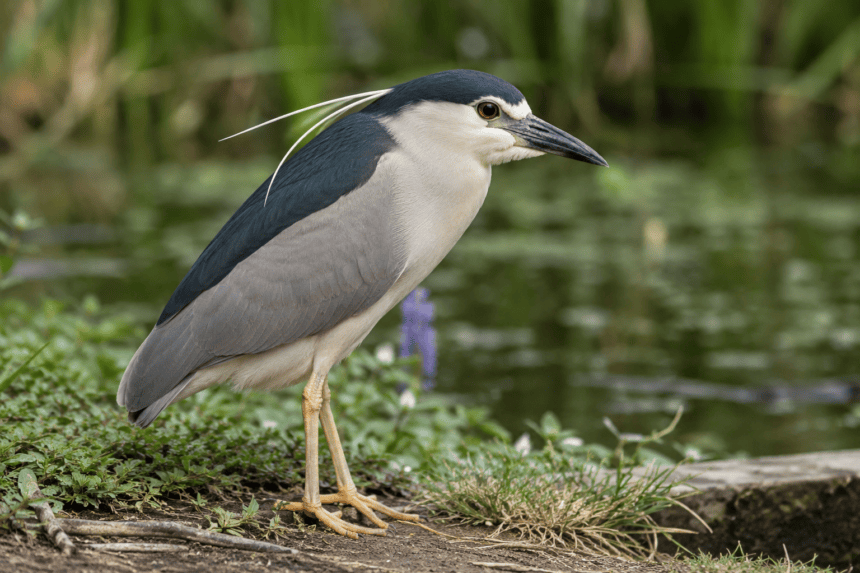
A black-crowned night heron has been spotted at a National Trust site, sending a jolt of excitement through the UK’s birding community. The sighting, confirmed by local wildlife experts, is an anomaly; these birds typically stick to warmer climates in southern Europe and Africa.
The heron was first identified by a regular visitor who noticed the bird’s distinctive thick neck and stocky frame during the early evening. Unlike the more common grey heron, this visitor remains largely inactive during daylight hours, living up to its name by surfacing only as dusk settles.
For the National Trust, the arrival of such an unusual guest highlights the site’s growing importance as a sanctuary for migratory birds. Staff have cordoned off a section of the wetlands to prevent disturbance, fearing that a surge of curious photographers might drive the bird away before it can refuel for the next leg of its journey.
“It’s a once-in-a-decade visitor,” said one local ornithologist. “We’re seeing shifts in migration patterns that don’t align with historical data. Whether this is a one-off wanderer or a sign of changing climate pressures, we don’t know yet.”
The bird, which appears to be a juvenile, is currently foraging in the shallow reeds. Experts suggest it likely arrived on a pocket of warm air pushed north by recent Atlantic weather systems.
While the bird is drawing crowds, the National Trust has issued a stern warning: maintain distance. The heron is already under significant stress from its long-distance transit. Any disruption to its feeding schedule could prove fatal.
With the bird showing no immediate signs of departing, the site is bracing for a busy weekend. Whether it stays for a day or a week, it’s already the most talked-about visitor to the reserve in years.