Ginners have raised concerns over the increasing influx of under-invoiced Chinese fabric into Pakistan’s open market, claiming that the practice is putting significant pressure on the domestic textile and cotton industry.
According to the ginners, imported Chinese fabric is being declared at values lower than its actual market price, allowing it to enter the country at reduced customs and tax costs. They argue that this creates an unfair advantage for imported products and makes it difficult for local manufacturers and textile-related businesses to compete.
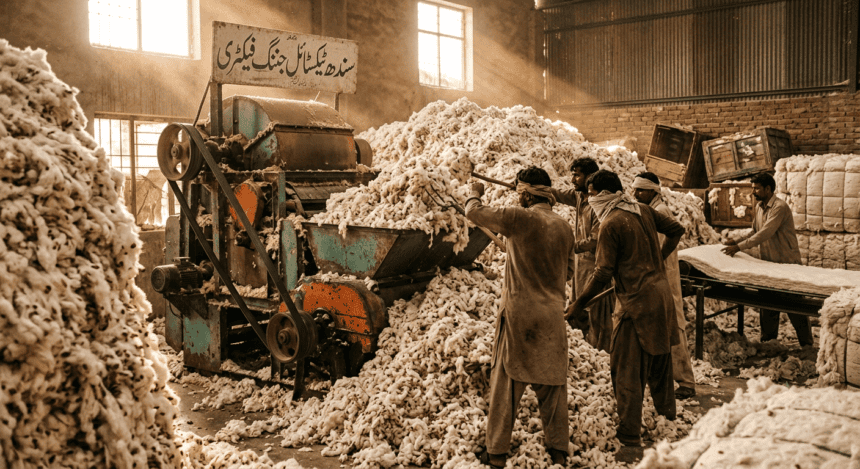
The ginners said the growing availability of low-priced imported fabric in the open market is affecting demand for locally produced textile goods. They warned that continued under-invoicing could hurt domestic production, weaken local businesses and create additional challenges for Pakistan’s cotton value chain.
The issue has also raised concerns about potential revenue losses for the national exchequer. If imported goods are deliberately undervalued, the government may collect lower duties and taxes than would otherwise be applicable.
Ginners have called for stronger monitoring of import declarations, improved customs valuation mechanisms and strict action against those involved in under-invoicing. They urged the authorities to protect local industry while ensuring that imports are properly documented and taxed according to their actual value.
The concerns come at a time when Pakistan’s textile sector is already facing multiple challenges, including rising production costs, market competition and pressure on the country’s cotton-related industries.