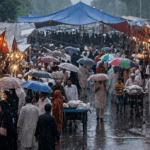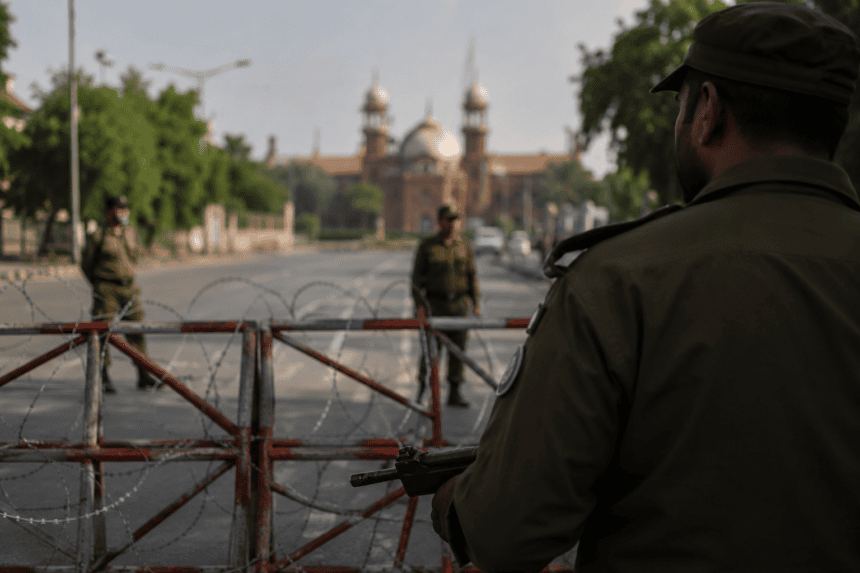
The Punjab government has imposed Section 144 across the province, effectively banning all public gatherings, rallies, and sit-ins for the next several days. The Home Department issued the notification late Tuesday, citing security threats and the need to maintain public order during a volatile political climate.
The ban grants local administrations the authority to disperse any gathering of more than four people. Police have already begun setting up checkpoints at major entry and exit points in Lahore, Rawalpindi, and other key urban centers.
Officials claim the move is necessary to prevent potential disruptions by political factions planning protests. Intelligence reports suggested that certain groups intended to block major highways, which the government says would cripple daily life and emergency services.
Opposition leaders, however, view the timing as a calculated effort to suppress dissent. They argue that the administration is using “security” as a pretext to silence criticism and obstruct scheduled political activities. By prohibiting public assembly, the government has effectively locked down the opposition’s ability to mobilize supporters on the streets.
The legal instrument, Section 144 of the Code of Criminal Procedure, is a long-standing tool in the provincial government’s arsenal. It allows district authorities to prohibit any activity that could lead to public nuisance or danger to human life. Despite its common use during periods of unrest, civil rights activists consistently criticize the measure as an overreach that infringes on the constitutional right to peaceful assembly.
With police presence intensified and containers placed near sensitive government installations, the province remains on edge. Whether this measure succeeds in maintaining calm or triggers further confrontation remains the central question as the deadline for planned political demonstrations approaches.