Australia’s streak of being the last continent free of the H5N1 avian influenza virus has ended. Authorities confirmed this week that a wild mammal—a southern elephant seal—tested positive for the highly pathogenic strain, marking a significant shift in the nation’s biosecurity landscape.
The discovery came from a remote sub-Antarctic island. While the specific location remains tightly controlled to prevent human traffic, the implications for Australia’s unique wildlife are immediate. Scientists had long feared the arrival of H5N1, given the virus’s devastating track record across the Americas and Europe, where it has decimated bird colonies and crossed into various mammal species.
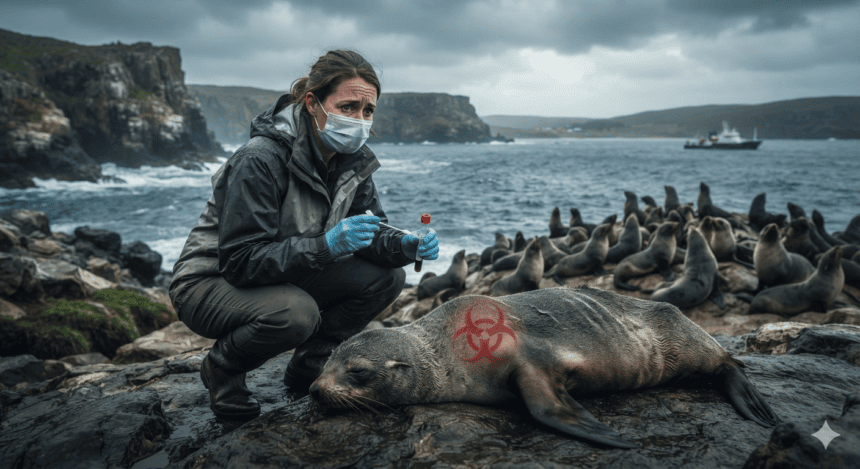
The infected seal was identified during routine surveillance of marine populations. Biologists found the animal displaying neurological symptoms consistent with the virus before it died. Subsequent lab results confirmed the presence of the H5 clade 2.3.4.4b, the same variant currently sweeping across global wildlife populations.
“We have been preparing for this,” a senior official from the Department of Agriculture, Fisheries and Forestry told reporters Tuesday. “The challenge now is containment in an environment where human intervention is virtually impossible.”
The “so what” here is stark: Australia’s isolated ecosystem has evolved without exposure to many of the world’s most aggressive pathogens. If H5N1 establishes a foothold in the country’s dense bird populations or spreads to other marine mammals, the ecological cost could be irreversible.
Critics of the government’s current posture point to the lack of a nationwide vaccination mandate for poultry, which remains a primary concern for the commercial sector. While the government maintains that the risk to humans remains “very low,” the medical community is watching closely. The virus’s ability to jump from birds to mammals—and occasionally to humans—is the primary driver behind the current global alarm.
For now, the focus shifts to monitoring. Field researchers are deploying additional tracking equipment across the sub-Antarctic territories, hoping to determine if the seal was an isolated case or a symptom of a wider, undetected outbreak.
They aren’t looking for a miracle cure; they’re looking for a baseline. Until the full extent of the spread is known, the official strategy is one of extreme caution and minimal interference. The virus is already here—the real test for Australia is how much further it manages to travel.