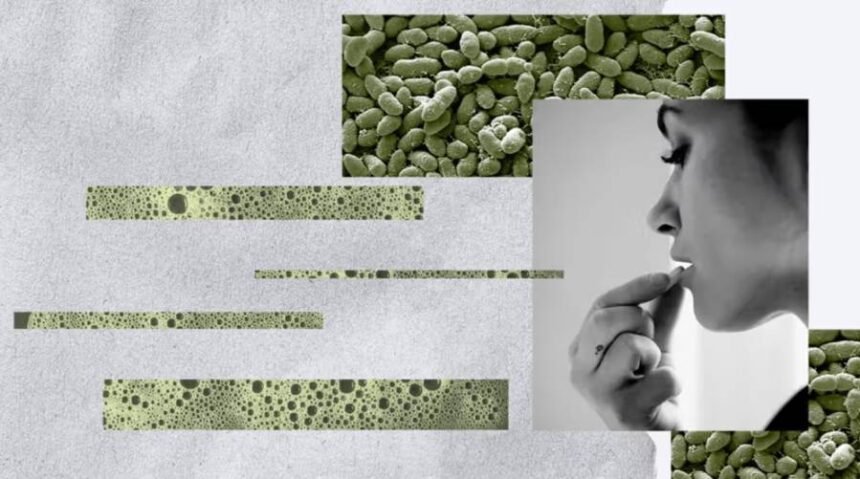
A new study published in the American Society for Microbiology’s Journal mSystems has revealed that antibiotics and several other commonly used medications — including antidepressants, beta-blockers, PPIs, benzodiazepines, and metformin — may significantly disrupt the gut microbiome. Even more concerning, the effects can persist for years after stopping the drugs.
The gut microbiome, a community of over 100 trillion bacteria, fungi, and yeasts, is vital for digestion, metabolism, immunity, and mental health. Disruption of this delicate ecosystem, known as gut dysbiosis, is linked to chronic conditions like Type 2 diabetes, cardiovascular diseases, inflammatory bowel disease (IBD), and autoimmune disorders.
Antibiotics and more: the surprising list of drugs affecting gut bacteria
It’s long known that antibiotics kill harmful bacteria — but they also wipe out beneficial microbes. However, the new research found that other prescription medications also alter microbial composition and diversity, sometimes even more severely.
The study, which analyzed 2,509 adults in the Estonian biobank, used advanced shotgun metagenomics sequencing to map participants’ microbiomes. Results showed that 167 out of 186 drugs tested had some impact on gut bacteria, while 78 medications caused long-term microbiome changes — still measurable years later.
The most influential drug categories included:
- Antibiotics – destroy both beneficial and harmful bacteria.
- Antidepressants – alter neurotransmitters affecting gut-brain communication.
- Antipsychotics – influence microbial diversity and metabolic pathways.
- Beta-blockers – affect gut motility and microbial growth.
- Biguanides (Metformin) – modify microbial metabolism in diabetes patients.
- Proton Pump Inhibitors (PPIs) – suppress stomach acid, promoting bacterial imbalance.
- Benzodiazepines – impact gut bacteria indirectly through diet and intestinal transit.
Expert insight: long-term, combined effects raise concerns
According to Dr. Babak Firoozi, gastroenterologist at MemorialCare Orange Coast Medical Center, the findings highlight how deeply medications influence gut health:
“The study’s methodology was robust, and the data clearly links drug use to microbiome changes. What’s surprising is how many drug classes appear to alter gut composition — and for how long.”
The researchers also discovered that people taking multiple medications showed more severe gut changes, and that some drugs within the same class affected the microbiome differently. For example, the anti-anxiety drug alprazolam (Xanax) had a broader microbial impact than diazepam (Valium).
Protecting your microbiome: what you can do
Experts emphasize that patients should not stop prescribed medications on their own. Instead, they recommend:
- Using drugs only as prescribed and for the shortest duration needed.
- Reviewing the necessity of PPIs every two months.
- Following a high-fiber, low-fat diet, reducing processed foods, and exercising regularly to support gut diversity.
Dr. Firoozi cautions particularly against long-term benzodiazepine use, noting its links to dependency and cognitive decline, and urges more discussions between doctors and patients about medication-related gut effects.
Key takeaway
This study reinforces a growing awareness: the medications we rely on can have invisible, lasting effects inside our gut. By understanding these relationships, healthcare professionals can make more informed decisions — and patients can take proactive steps to protect their microbiome and long-term health