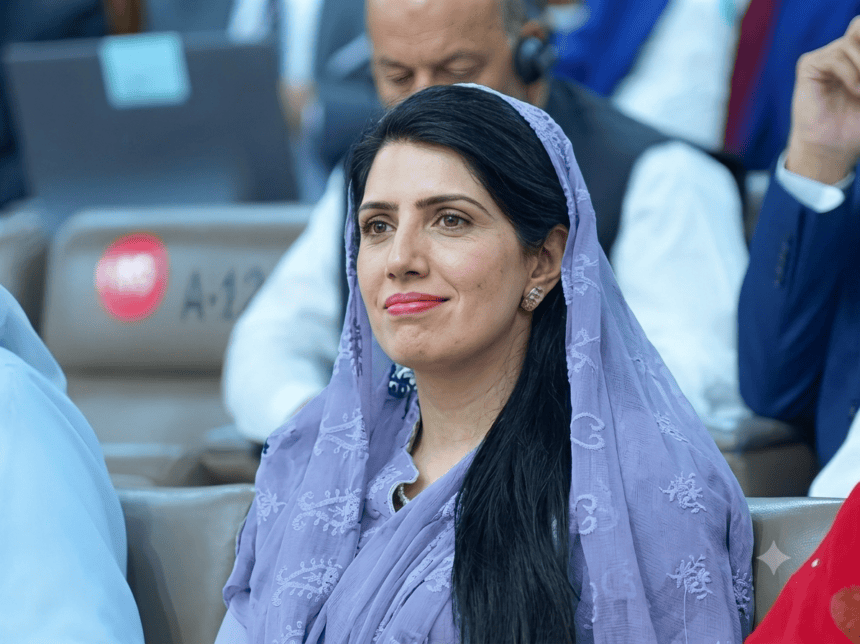
LAHORE — Pakistan Tehreek-e-Insaf (PTI) leaders have leveled serious allegations against prison authorities, claiming that incarcerated party leader Aaliya Hamza was physically assaulted inside Lahore’s Kot Lakhpat Jail.
The party’s official legal team raised the alarm late Wednesday, asserting that Hamza, who has been held for months in connection with the May 9 riots, was targeted during a facility-wide security sweep. PTI spokespersons described the incident as a “calculated act of intimidation” designed to break the resolve of party members currently in state custody.
“Aaliya Hamza was not just pushed; she was physically targeted by jail staff who are clearly acting under orders to harass PTI women,” one of her lawyers told reporters outside the prison gates.
The Punjab Prisons Department has denied the allegations, labeling them “baseless propaganda” intended to stir public unrest. A senior prison official, speaking on condition of anonymity, insisted that standard security protocols were followed during a routine inspection and that no physical force was used against any inmate.
Hamza’s family remains deeply concerned. They claim they were denied a scheduled meeting with her on Thursday, which they argue is a direct attempt by authorities to prevent the documentation of any visible injuries.
The incident follows a string of similar complaints from PTI leaders regarding prison conditions. Former human rights minister Shireen Mazari and other party figures have previously spoken out about the treatment of female detainees, alleging poor sanitation, lack of medical access, and psychological pressure.
For the PTI, the allegations are part of a broader narrative of state-sponsored suppression. For the provincial government, it’s a security matter that they say is being twisted for political optics.
As the legal team prepares to move the Lahore High Court for a judicial inquiry into the prison conditions, the silence from the provincial home department is only fueling further speculation. Whether this is a case of systemic abuse or a political maneuver, the reality for Aaliya Hamza is an increasingly isolated existence behind bars.