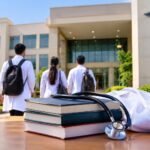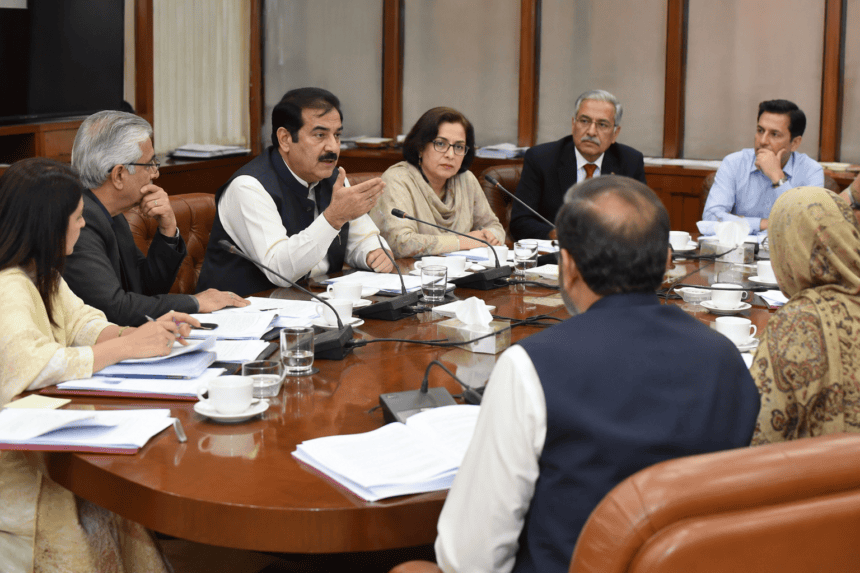
The Senate Standing Committee on National Health Services has called for comprehensive reforms in Pakistan’s medical education system, expressing concern over the declining quality of medical training and the growing challenges faced by healthcare institutions. During a recent committee meeting, lawmakers stressed the need to modernize medical education, improve regulatory oversight, and ensure that future doctors receive high-quality academic and clinical training.
Committee members discussed several issues affecting the country’s medical sector, including shortages of qualified faculty, outdated curricula, limited clinical exposure for students, and inconsistencies in the accreditation of medical institutions. The panel emphasized that these problems must be addressed to produce competent healthcare professionals capable of meeting Pakistan’s growing healthcare needs.
The committee urged the Pakistan Medical and Dental Council (PMDC), medical universities, and other relevant authorities to work together on introducing reforms that align Pakistan’s medical education system with international standards. Senators also highlighted the importance of incorporating modern technologies, research-based learning, digital education tools, and ethical medical practices into the curriculum.
Lawmakers further recommended strengthening monitoring mechanisms for medical colleges, improving faculty development programs, and expanding opportunities for practical training in teaching hospitals. The committee maintained that investing in quality medical education is essential for improving healthcare services and restoring public confidence in the country’s medical institutions.
Officials assured the committee that recommendations would be considered in future policy decisions aimed at enhancing the standard of medical education across Pakistan.