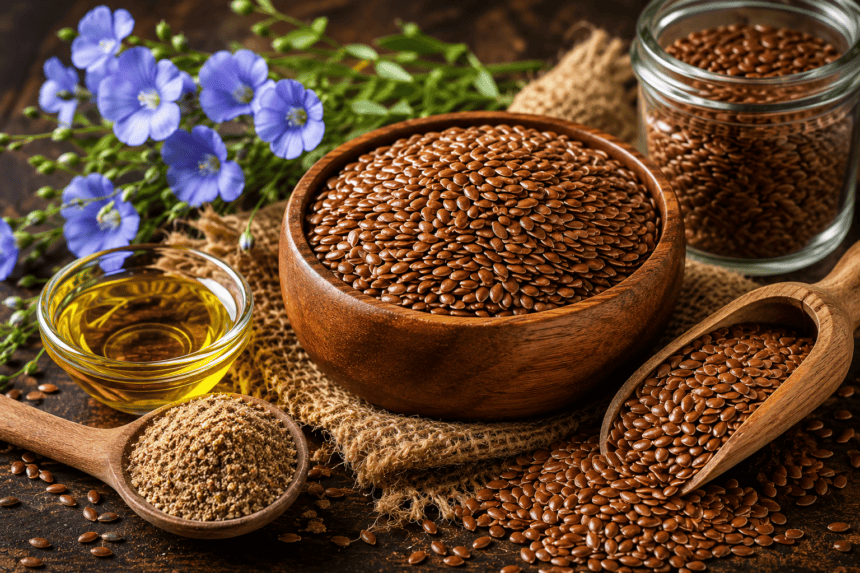
Flaxseeds, also known as Alsi seeds, may be small in size, but they are packed with nutrients that can support overall health. For centuries, these tiny golden or brown seeds have been used in traditional diets, and today they are recognized as one of the most nutrient-dense plant foods.
Rich in dietary fiber, plant-based omega-3 fatty acids, protein, and antioxidants, flaxseeds are an easy addition to a healthy eating plan. Whether sprinkled over yogurt, blended into smoothies, or mixed into oatmeal, they offer impressive nutritional value in just a small serving.
Let’s explore why flaxseeds deserve a place in your daily diet.
What Are Flaxseeds?
Flaxseeds come from the flax plant (Linum usitatissimum). They are available as whole seeds, ground flaxseed, or flaxseed oil.
Ground flaxseeds are generally easier for the body to digest than whole seeds because the hard outer shell can pass through the digestive system without being fully broken down.
Nutritional Value
Flaxseeds are rich in:
- Dietary fiber
- Plant-based omega-3 fatty acids (ALA)
- Plant protein
- Magnesium
- Phosphorus
- Manganese
- Lignans (natural plant compounds with antioxidant properties)
Despite their small size, they provide a powerful nutritional boost.
1. Excellent Source of Fiber
One of the biggest benefits of flaxseeds is their high fiber content.
Fiber helps support healthy digestion, promotes regular bowel movements, and feeds beneficial gut bacteria.
Eating enough fiber may also help you feel fuller for longer.
2. Rich in Plant-Based Omega-3
Flaxseeds are one of the richest plant sources of alpha-linolenic acid (ALA), a type of omega-3 fatty acid.
Omega-3 fats are important for overall health, including supporting normal heart and brain function.
3. Supports Heart Health
Research suggests that diets rich in fiber and healthy fats may help support heart health.
Flaxseeds can be part of a heart-friendly eating pattern alongside fruits, vegetables, whole grains, legumes, and nuts.
4. May Help With Weight Management
Because flaxseeds contain both fiber and protein, they may increase feelings of fullness after meals.
Adding a small amount to breakfast or snacks may help reduce unnecessary hunger during the day.
5. Provides Antioxidants
Flaxseeds contain lignans, natural plant compounds with antioxidant properties.
Antioxidants help protect cells from oxidative stress caused by free radicals.
6. Easy to Add to Everyday Meals
Flaxseeds can be added to:
- Smoothies
- Yogurt
- Oatmeal
- Breakfast cereals
- Salads
- Homemade bread
- Pancakes
- Muffins
Ground flaxseed mixes more easily into foods than whole seeds.
Whole or Ground Flaxseeds?
Whole flaxseeds stay fresh longer, but ground flaxseeds are generally easier to digest and allow the body to absorb more nutrients.
Store ground flaxseed in an airtight container in the refrigerator to help preserve freshness.
Are There Any Precautions?
Flaxseeds are safe for most people when eaten in moderation.
Because they are high in fiber, increase your intake gradually and drink enough water to help prevent digestive discomfort.
People taking blood-thinning medications or those with certain medical conditions should speak with a healthcare professional before consuming large amounts regularly.
The Bottom Line
Flaxseeds may be tiny, but they are nutritional powerhouses. Rich in fiber, omega-3 fatty acids, protein, and antioxidants, they support a healthy diet and can easily be added to everyday meals.
A spoonful of flaxseeds each day, combined with balanced eating and regular physical activity, is a simple step toward better overall health.