Breathing is something we do every moment without thinking about it. Yet many people rarely pay attention to how they breathe. Modern lifestyles, stress, poor posture, and long hours of sitting can all affect breathing patterns.
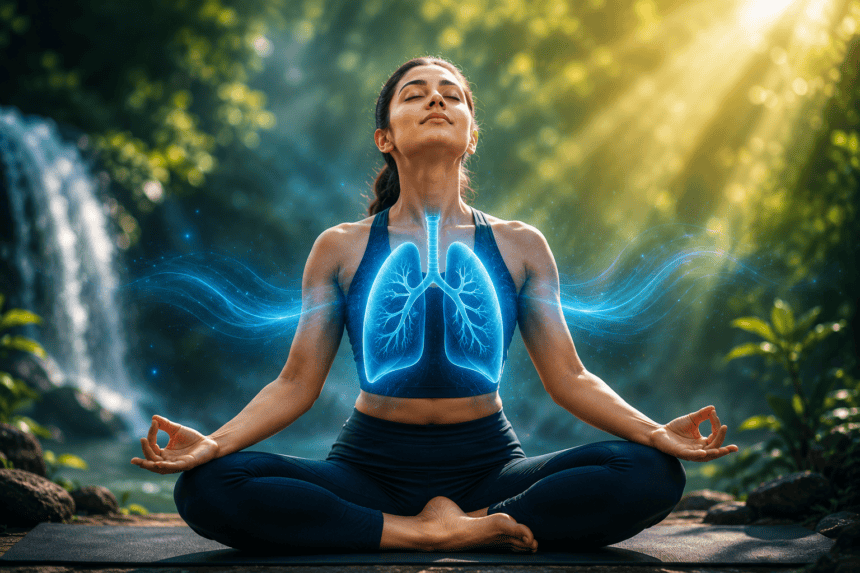
Yoga places a strong emphasis on controlled breathing, known as pranayama, along with physical postures that encourage good posture and chest expansion. Because of this, many people wonder whether yoga can actually improve lung capacity.
While yoga is not a cure for lung diseases, research suggests that regular breathing exercises and yoga practice may support respiratory function, particularly when combined with an overall healthy lifestyle.
Let’s take a closer look at what science says.
What Is Lung Capacity?
Lung capacity refers to the amount of air your lungs can hold and move during breathing.
Healthy lungs deliver oxygen to the bloodstream and remove carbon dioxide from the body.
Lung function naturally changes with age and can also be affected by smoking, pollution, respiratory illnesses, physical activity, and general fitness.
How Does Yoga Affect Breathing?
Yoga combines movement with slow, controlled breathing.
Many yoga sessions include breathing techniques that encourage deeper, more mindful breaths instead of shallow chest breathing.
This may help people become more aware of their breathing habits.
The Role of Pranayama
Pranayama is a collection of breathing techniques used in yoga.
Some common examples include:
- Diaphragmatic (belly) breathing
- Alternate nostril breathing
- Deep rhythmic breathing
- Ocean breathing (Ujjayi)
These techniques focus on slow, controlled breathing rather than rapid or forceful breaths.
What Does Research Suggest?
Research indicates that regular yoga practice may:
- Improve breathing efficiency
- Increase chest mobility
- Strengthen respiratory muscles
- Improve exercise tolerance in some individuals
- Help reduce stress, which can influence breathing patterns
Some studies have shown improvements in certain lung function measurements after regular yoga practice. However, results vary depending on the individual, the type of yoga practiced, and the length of the program.
Can Yoga Help People With Respiratory Conditions?
Some research suggests yoga may improve quality of life and breathing comfort in people with certain respiratory conditions when used alongside standard medical care.
However, yoga should never replace prescribed medications or medical treatment.
Anyone with asthma, COPD, or another lung disease should consult their healthcare provider before beginning a new exercise program.
Yoga Poses That Encourage Better Breathing
Several yoga poses promote good posture and allow the chest to expand comfortably.
Examples include:
Mountain Pose (Tadasana)
Encourages proper posture and body alignment.
Cobra Pose (Bhujangasana)
Gently opens the chest and stretches the front of the body.
Bridge Pose (Setu Bandhasana)
Helps expand the chest while strengthening the back.
Cat-Cow Stretch
Improves flexibility of the spine and encourages coordinated breathing.
Child’s Pose
Supports relaxation and mindful breathing.
Daily Habits That Support Lung Health
Yoga works best when combined with healthy habits such as:
- Avoiding smoking
- Staying physically active
- Maintaining good posture
- Drinking enough water
- Limiting exposure to air pollution when possible
- Getting recommended vaccinations
- Eating a balanced diet rich in fruits and vegetables
Important Safety Tips
If you feel dizzy, short of breath, or uncomfortable during breathing exercises, stop and rest.
People with chronic lung conditions should practice under the guidance of a qualified instructor and follow medical advice.
The Bottom Line
Yoga may help improve breathing awareness, chest flexibility, and respiratory muscle function. Research suggests it can support lung health and overall well-being, especially when practiced regularly.
However, yoga is not a substitute for medical treatment for lung diseases. Think of it as one part of a healthy lifestyle that includes regular physical activity, nutritious food, good sleep, and avoiding smoking.
Taking a few minutes each day to breathe deeply and move mindfully may be a simple step toward healthier lungs and a healthier life.