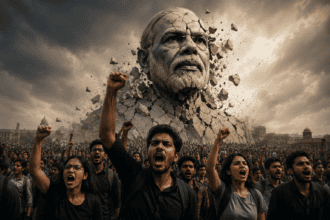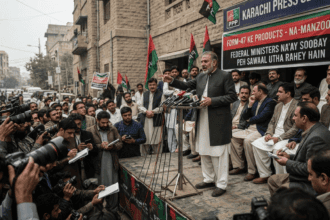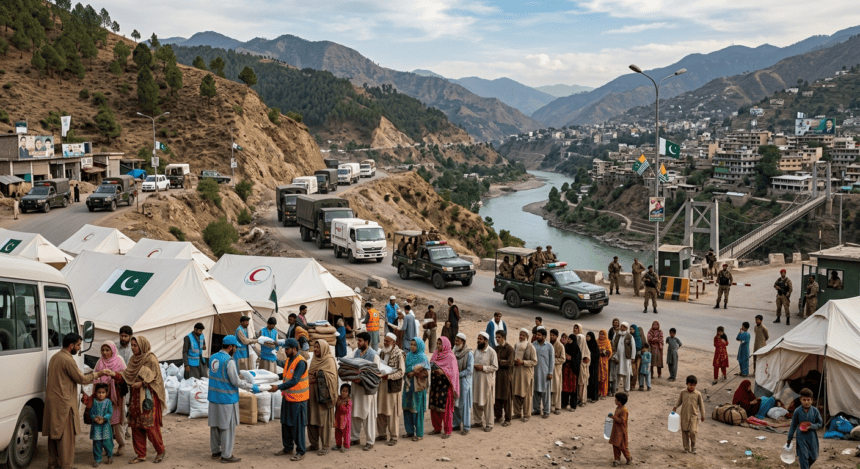
Protests in Pakistan-administered Kashmir have pushed Islamabad into a corner. What began as a local movement over electricity prices and wheat flour subsidies has evolved into a broader challenge against the central government’s fiscal austerity measures.
The unrest, led by the Awami Action Committee, saw markets shuttered and traffic halted across the region for days. While the federal government eventually authorized a multi-billion rupee relief package to subsidize power bills and flour prices, the move highlights a recurring tension: how to appease a restive population while adhering to the stringent conditions set by the International Monetary Fund.
Islamabad’s response has been reactive. By scrambling to provide subsidies, the government has temporarily quieted the streets, but the underlying economic frustration remains. Finance Minister Muhammad Aurangzeb has made it clear that the state’s fiscal space is non-existent. Every rupee spent on a regional subsidy is a rupee pulled from a national budget already strained by debt servicing.
The political optics are equally fraught. Critics argue that the federal government’s initial reliance on heavy-handed security measures—including mass arrests and internet shutdowns—only hardened the protesters’ resolve. By the time the government opened negotiations, the narrative had shifted from simple economic grievances to a direct confrontation with the state’s authority.
Local leaders in Muzaffarabad contend that their region is being treated as an afterthought in federal planning. They point to the irony of the region being a primary producer of hydroelectric power while its own residents struggle to pay the bills. This sense of exploitation is what gives the movement its staying power.
The relief package, while a tactical victory for the protesters, does little to address the structural decay of the regional economy. The government has bought time, but it hasn’t bought stability.
As the federal cabinet looks toward the next budget cycle, the pressure to cut subsidies will intensify. If Islamabad continues to prioritize IMF targets over regional economic grievances, the current calm in the valley may prove to be nothing more than a brief intermission.