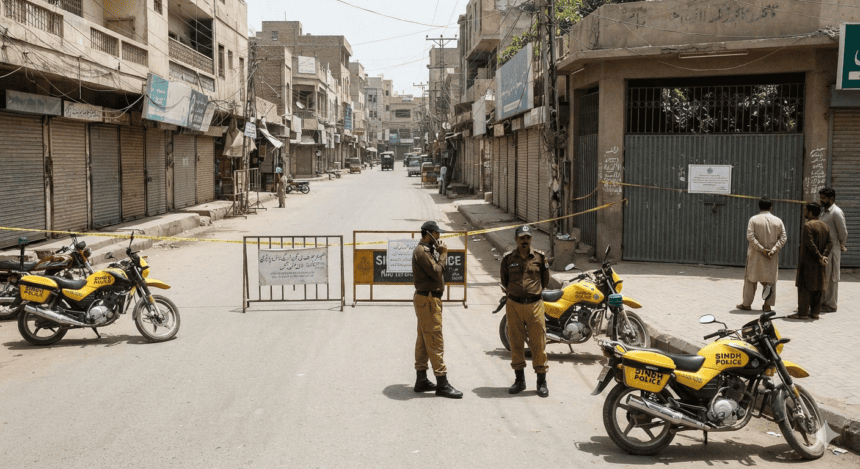
The Sindh government has extended the imposition of Section 144 across the province for another month, prohibiting public gatherings, protests, and the display of weapons. The notification, issued by the Home Department, cites “security concerns” and the need to maintain public order as the primary drivers for the move.
The order bans the assembly of more than four people in any public space. While the government maintains this is a routine administrative measure to ensure stability, opposition leaders see it as a deliberate attempt to stifle political dissent and curb planned demonstrations.
“This is a preemptive strike against our right to assemble,” a spokesperson for the opposition said Tuesday. “They are using the pretext of security to silence legitimate grievances.”
The ban comes at a sensitive time. With inflation hitting double digits and ongoing debates regarding local government powers, the provincial administration is clearly wary of street-level unrest. By invoking Section 144, the police gain broad discretionary powers to detain individuals and break up crowds before they can coalesce into larger movements.
Legal experts, however, point to the recurring nature of these orders. Section 144 was originally intended as a temporary tool for emergencies, yet its frequent application in Sindh suggests it has become a standard tool for crowd control rather than an exceptional one.
“The law is being treated as a permanent solution to political friction,” a Karachi-based constitutional lawyer noted. “When you remove the space for public expression, you don’t solve the underlying anger; you just force it underground.”
For residents, the impact is immediate. Public rallies, sit-ins, and even minor protests that were previously common in the city’s commercial hubs are now effectively criminalized. While the government claims the streets remain safe, the heavy police presence near key government buildings suggests a province bracing for a confrontation that the authorities are determined to prevent at any cost.
The ban remains in effect through the end of the month, with no indication from the Home Department that it will be lifted early.