Punjab Information Minister Azma Bukhari has slammed the Pakistan People’s Party (PPP), characterizing the party as a “part-time PTI” for its recent political posturing. The sharp critique signals growing friction between the PML-N and its coalition partner, as the PPP increasingly distances itself from the federal government’s policy decisions.
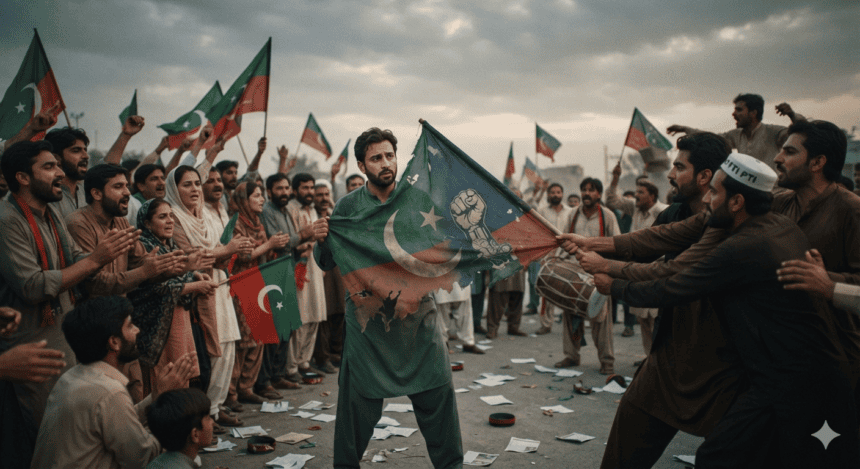
Bukhari’s comments, delivered during a press briefing in Lahore, targeted the PPP’s recent complaints regarding the distribution of development funds and administrative appointments in Punjab. She dismissed these grievances as political theater, suggesting the PPP is adopting the rhetoric of Imran Khan’s Pakistan Tehreek-e-Insaf to gain leverage.
“They are acting like a part-time PTI,” she said, rejecting the notion that the PPP is being sidelined in decision-making.
The tension stems from a series of public statements by PPP leaders who have accused the PML-N-led Punjab government of failing to honor power-sharing agreements. While the two parties remain allies at the federal level, the provincial dynamic is fraying. PPP figures have publicly questioned the transparency of the current administration, echoing critiques previously reserved for the opposition.
Bukhari countered these claims by pointing to the existing cooperation between the two parties. She insisted that the PML-N has consistently accommodated its partners, but warned that “political blackmail” would not dictate the province’s governance.
Analysts suggest this friction is a calculated move by the PPP. By adopting a more aggressive stance, the party aims to shore up its support base in Punjab—a region where it has struggled to maintain relevance against the PML-N’s dominance.
For the coalition, the stakes are high. Any further deterioration in the relationship could complicate the passage of key legislation and threaten the stability of the federal government.
For now, the PPP has yet to issue a formal rebuttal to Bukhari’s characterization. As the provincial budget session approaches, the party’s next move will determine whether this is a genuine rift or simply the latest round of posturing in an increasingly crowded political arena.