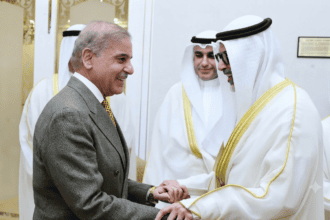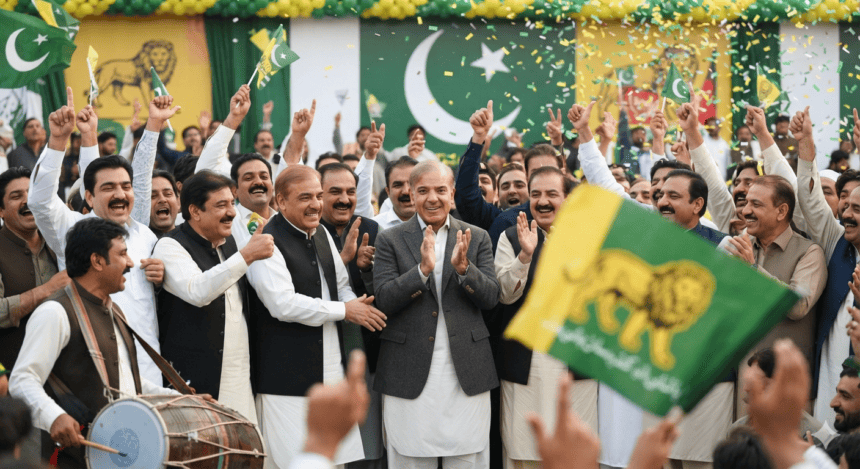
Prime Minister Shehbaz Sharif has publicly congratulated his party leadership following the latest results from the second phase of the Azad Jammu and Kashmir (AJK) local government elections. The results, trickling in throughout the day, show the Pakistan Muslim League-Nawaz (PML-N) securing a lead in key districts, providing a much-needed political boost for the ruling party.
The win isn’t just about local council seats. For the PML-N, it’s a vital signal that their political machinery is finding its footing again in a region that has historically oscillated between major national parties. By maintaining this lead, the party has effectively blunted the narrative of its primary opposition, the Pakistan Tehreek-e-Insaf (PTI), which had banked on recent national sentiment to sweep these local polls.
“This result reflects the public’s trust in our development agenda,” the Prime Minister told party workers in Islamabad. He stopped short of declaring a total victory, acknowledging the remaining seats yet to be tallied, but his tone was clear: the party is back in the game.
The polling process itself faced hurdles. Reports from the ground in Muzaffarabad and Mirpur pointed to isolated skirmishes and logistical delays at several stations. Election commission officials confirmed that security was tightened mid-day after scuffles broke out between rival political factions, though they maintained the overall integrity of the ballot remained intact.
These elections are the first of their kind in AJK in over three decades. The long hiatus had left the region’s administrative structure stagnant, and the urgency to fill these seats has been a point of contention for months. For the average voter in the valley, the outcome determines who handles local infrastructure, sanitation, and municipal budgets—services that have suffered from years of bureaucratic neglect.
Opposition leaders have already raised questions about the transparency of the count, alleging that the PML-N’s influence in federal corridors may have tilted the playing field. They’ve promised to challenge specific results in the high court once the final tally is released.
As the final results trickle in, the focus shifts to the formation of local councils. The PML-N now faces the immediate challenge of governing in areas where they lack an absolute majority, forcing them to negotiate with independent candidates who hold the balance of power.
For Shehbaz Sharif, the stakes remain high. If his party can consolidate these gains, it serves as a litmus test for the ruling coalition’s popularity ahead of the broader national electoral cycle. Anything less, and the victory may prove to be a hollow one.