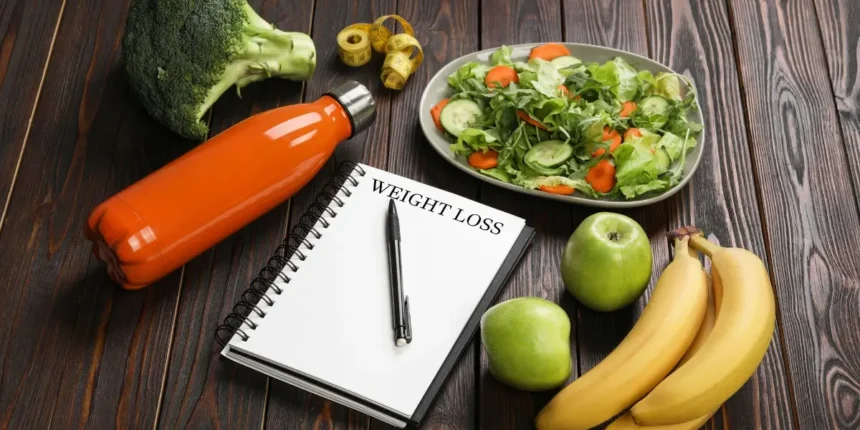
Losing weight doesn’t require extreme diets or cutting out your favorite foods. The key to long-term success is building healthy eating habits that you can maintain every day. Research shows that small, consistent changes in your diet can help you lose weight, improve your energy levels, and reduce the risk of chronic diseases such as heart disease and type 2 diabetes.
Here are 25 practical diet tips to help you achieve your health goals naturally.
1. Start Your Day with a Healthy Breakfast
Choose a balanced breakfast with protein, whole grains, and fruit to stay full longer.
2. Eat More Protein
Protein helps control hunger, supports muscle health, and may reduce cravings throughout the day.
3. Fill Half Your Plate with Vegetables
Vegetables are rich in vitamins, minerals, and fiber while being naturally low in calories.
4. Choose Whole Grains
Replace refined grains with brown rice, oats, quinoa, and whole-wheat products for better nutrition.
5. Increase Your Fiber Intake
Fiber promotes healthy digestion and helps you feel satisfied after meals.
6. Drink More Water
Staying hydrated may reduce unnecessary snacking and support normal body functions.
7. Limit Sugary Drinks
Soft drinks, energy drinks, and sweetened juices add calories without keeping you full.
8. Practice Portion Control
Using smaller plates and serving appropriate portions can help prevent overeating.
9. Eat Slowly
Giving your body time to recognize fullness may help reduce calorie intake.
10. Plan Your Meals
Meal planning can reduce unhealthy food choices and make healthy eating easier.
11. Choose Healthy Snacks
Fresh fruit, yogurt, nuts, or vegetables are better alternatives to processed snacks.
12. Avoid Skipping Meals
Skipping meals can increase hunger and make overeating more likely later in the day.
13. Include Healthy Fats
Foods like avocados, olive oil, seeds, and nuts provide beneficial fats when eaten in moderation.
14. Reduce Ultra-Processed Foods
Limit packaged foods high in added sugar, salt, and unhealthy fats.
15. Read Nutrition Labels
Understanding food labels helps you make informed choices.
16. Cook More Meals at Home
Preparing food yourself gives you greater control over ingredients and portion sizes.
17. Add More Fruits
Whole fruits provide natural sweetness along with vitamins, minerals, and fiber.
18. Watch Liquid Calories
Fancy coffees, milkshakes, and sugary beverages can contribute significant calories.
19. Don’t Eat Out of Boredom
Learn to recognize the difference between physical hunger and emotional eating.
20. Get Enough Sleep
Poor sleep can affect hunger hormones and make healthy eating more difficult.
21. Manage Stress
Chronic stress may lead to unhealthy eating habits. Try relaxation techniques, exercise, or mindfulness.
22. Exercise Regularly
A healthy diet works best when combined with regular physical activity.
23. Be Consistent
Healthy habits practiced consistently are more effective than short-term restrictive diets.
24. Allow Occasional Treats
Enjoying favorite foods in moderation can make healthy eating more sustainable.
25. Focus on Progress, Not Perfection
Healthy weight loss is a gradual process. Celebrate small achievements and keep building better habits.
Final Thoughts
Healthy weight loss is about creating a balanced lifestyle rather than following restrictive diet trends. Eating nutritious foods, staying active, drinking enough water, and maintaining consistent habits can improve both your weight and your overall health. Instead of aiming for quick results, focus on sustainable changes that you can maintain for years to come. Small daily improvements often lead to the biggest long-term benefits.