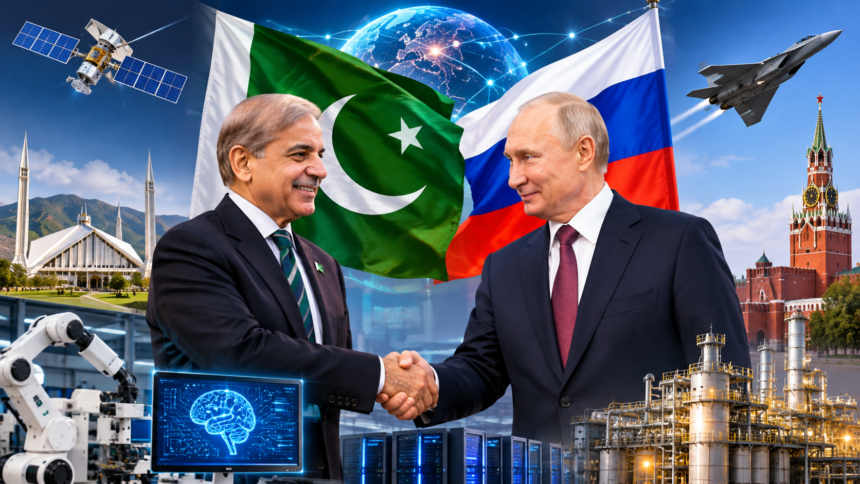
ISLAMABAD — Pakistan and Russia have moved beyond diplomatic pleasantries, finalizing a series of agreements to formalize technology and industrial cooperation. After years of stalled talks, officials confirm the shift to concrete procurement and collaborative projects.
The deal, cemented during the recent intergovernmental commission session in Islamabad, marks a departure from the vague memoranda of understanding that characterized previous years. Both nations are now targeting specific sectors: energy infrastructure, digitized trade, and telecommunications.
For Pakistan, the move is a pragmatic necessity. The country’s energy grid is aging, and the government is desperate for cost-effective technical upgrades to stabilize power supply. By turning to Russian technology, Islamabad aims to bypass the high premium often attached to Western-sourced infrastructure.
“We aren’t just talking about trade anymore,” a senior official at the Ministry of Economic Affairs said, speaking on condition of anonymity. “The equipment is being ordered. The technical teams are being integrated. This is operational.”
For Moscow, the partnership serves as a strategic foothold in South Asia. As Russia faces heavy sanctions in the West, it is aggressively courting new markets for its industrial tech. Pakistan offers a massive, albeit challenging, consumer base and a geopolitical position that Moscow views as a reliable alternative to traditional regional partners.
Crucially, the cooperation includes a framework for cybersecurity and data-sharing protocols. While officials in Islamabad remain tight-lipped on the specifics of the IT infrastructure, experts suggest this will involve Russian-made software integration into Pakistan’s public sector databases.
The move carries significant risk. Washington has previously signaled discomfort with Pakistan’s deepening ties with Moscow, particularly regarding defense and dual-use technology. Whether Islamabad can balance these new Russian deals with its existing reliance on U.S. financial systems and military hardware remains the central question for the Foreign Office.
For now, the orders are placed. The first wave of Russian technical experts is expected to arrive in Islamabad by late next month to begin the installation of energy grid diagnostic tools.
The era of dialogue is finished. The implementation phase starts now.