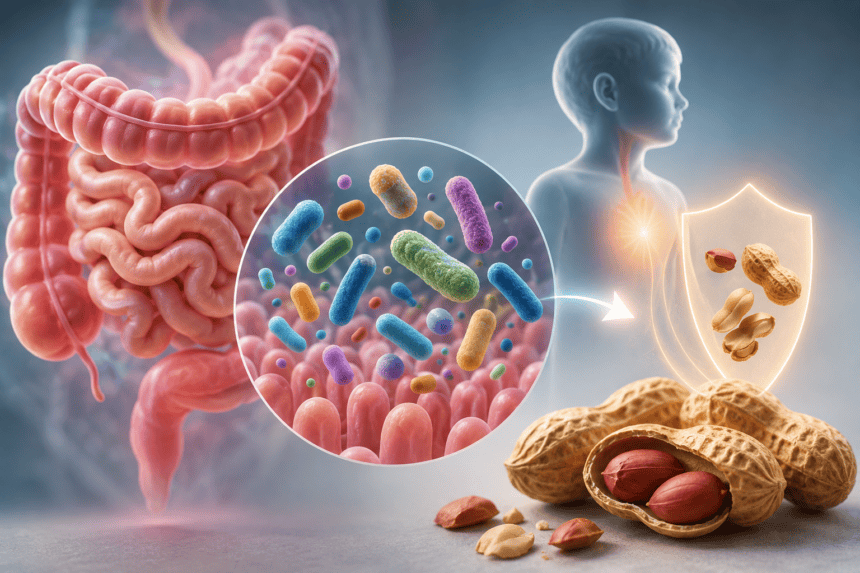
A daily dose of specific gut bacteria may offer a lifeline to people living with severe peanut allergies. New research published in *Nature Medicine* suggests that restoring the gut microbiome can desensitize the immune system, potentially allowing patients to eat peanuts without the threat of anaphylaxis.
The treatment focuses on a consortium of bacteria—specifically *Clostridiales* and *Bacteroidetes*—that are often missing in those with food allergies. By reintroducing these microbes, researchers found they could trigger the body’s regulatory T-cells to suppress the inflammatory reaction that typically occurs upon exposure to peanut proteins.
For the millions of people who currently rely on strict avoidance or emergency epinephrine, the stakes couldn’t be higher. Current therapies, such as oral immunotherapy, often involve consuming tiny, escalating amounts of the allergen. It’s a grueling process that carries a constant risk of reaction. This new approach targets the root cause—the malfunctioning immune response—rather than just managing the symptoms.
Dr. Cathryn Nagler, the lead researcher on the study, noted that the microbiome acts as a “gatekeeper” for the immune system. “When that gate is left open, the body attacks harmless food proteins as if they were lethal pathogens,” she explained. Her team’s clinical trials, though still in early stages, show that patients who received the bacterial therapy maintained higher thresholds of tolerance long after the treatment stopped.
The data shows a clear shift in gut composition among participants. Those who responded best to the treatment saw a marked increase in the production of butyrate, a fatty acid that keeps the intestinal lining intact and prevents allergens from entering the bloodstream.
Critics point out that the therapy isn’t a “cure” in the traditional sense. It requires precise delivery and long-term monitoring to ensure the introduced bacteria actually colonize the gut. There is also the question of scalability; manufacturing a standardized “cocktail” of live bacteria that remains stable for patients is a significant hurdle for pharmaceutical companies looking to bring this to market.
Despite the technical challenges, the medical community is paying attention. If this method proves effective in larger, phase-three human trials, it could fundamentally change how doctors treat not just peanut allergies, but a range of other food-based sensitivities.
For now, the researchers are focused on refining the bacterial mix. They aren’t promising a world where every allergy sufferer can walk into a grocery store and eat anything on the shelf, but they are providing the first real evidence that the gut, not just the diet, is the key to ending the allergy crisis.