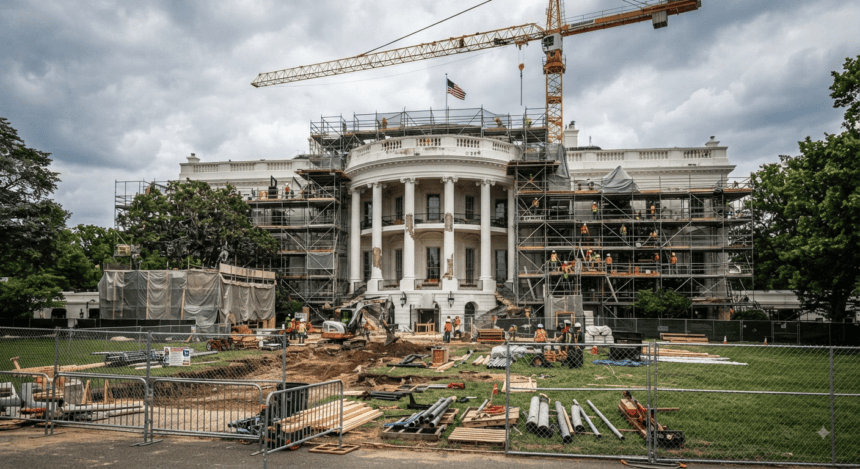
Maintaining the nerve center of the free world isn’t cheap. A sprawling, multi-phase renovation of the White House complex is now estimated to cost taxpayers nearly $1 billion — a price tag driven by crumbling 1950s infrastructure and the escalating demands of modern security.
The General Services Administration (GSA), which manages the project, has seen the budget climb as the scope of the work expanded. Much of the billion-dollar price tag is buried underground. Crews are currently gutting and replacing antiquated HVAC systems, electrical grids, and water lines that haven’t seen a major overhaul since the Truman administration.
This isn’t a cosmetic facelift. It’s a total technological transplant.
The work centers on the West Wing and the surrounding grounds, where security protocols have changed drastically since the 9/11 era. While the GSA remains tight-lipped about specific defensive upgrades, budget documents and oversight reports point to a massive modernization of the White House’s communication and security infrastructure. The goal is to ensure the building can survive a 21st-century threat, whether that’s a cyberattack or a physical breach.
Critics have been quick to pounce on the optics. Spending a billion dollars on a single residence — even one as iconic as 1600 Pennsylvania Avenue — is a tough sell in a climate of high inflation and tightened federal budgets.
“The American people see a billion dollars and they see a palace renovation,” said one budget analyst tracking federal spending. “But the GSA sees a 200-year-old building that is essentially a fire trap without these updates.”
The project has faced repeated delays. Working on a high-security site while the President and hundreds of staffers are still inside creates a logistical nightmare. Construction crews often have to pause for high-level meetings or security lockdowns, driving labor costs higher with every stop-and-start.
The most visible part of the project involved the “Big Dig” outside the West Wing several years ago, which created a massive underground facility. The current phase focuses on the interior guts of the building, where 70-year-old pipes and wires are finally being retired.
The project is slated for completion by 2025, but federal oversight committees are already questioning if the billion-dollar ceiling will hold. History suggests that when it comes to the White House, the final bill usually exceeds the estimate.