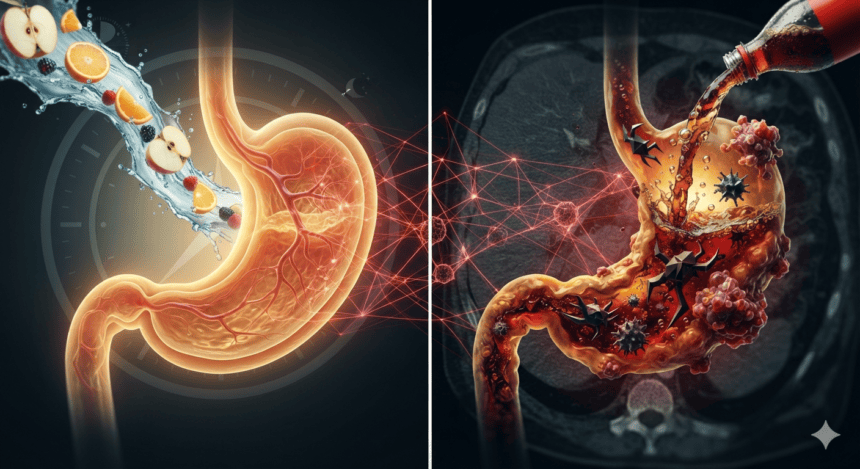
Drinking just two sugar-sweetened beverages a day could do more than just spike your glucose levels. A major new study reveals a stark correlation between high intake of sugary drinks and a two-fold increase in the risk of developing stomach cancer.
Researchers tracked dietary habits and health outcomes across a decade-long cohort. The findings, published in the latest issue of *Cancer Epidemiology*, indicate that the danger isn’t limited to soda. Sweetened teas, energy drinks, and even fruit-flavored beverages with added syrups showed a similar pattern of risk.
The mechanism remains under investigation, but lead researchers point to chronic inflammation and insulin resistance as the primary culprits. When the body is forced to process excess refined sugar at high volumes, the resulting metabolic stress creates an environment where precancerous cells can thrive.
“We aren’t just talking about weight gain,” said Dr. Elena Rossi, a lead oncologist involved in the review. “The data suggests a direct cellular impact that persists even when we control for BMI and other lifestyle factors. Sugar is acting as a catalyst in a way we hadn’t fully mapped out until now.”
Public health officials have long campaigned against the “soda tax” and school vending machine bans, but this research adds a clinical urgency to those policies. Previous studies focused heavily on type 2 diabetes and heart disease. Linking sugar directly to gastric malignancies shifts the conversation from metabolic management to cancer prevention.
Critics of the study argue that lifestyle factors are notoriously difficult to isolate. They point out that people who consume high amounts of sugary drinks often have other habits—such as smoking or low physical activity—that complicate the findings. The researchers addressed this by adjusting for socioeconomic status and smoking history, yet the link to stomach cancer remained statistically significant.
For the average consumer, the takeaway is blunt: the convenience of a daily sweetened drink is coming at a high biological price. While the study doesn’t call for total prohibition, it serves as a warning that the current level of sugar consumption in modern diets is likely fueling a rise in cancers that were once considered rare.
The industry has yet to issue a formal response, but as these numbers circulate, the pressure on beverage companies to reformulate their products is only going to grow. For now, the safest bet remains simple: move back to water.