Southern Europe is burning. Again.
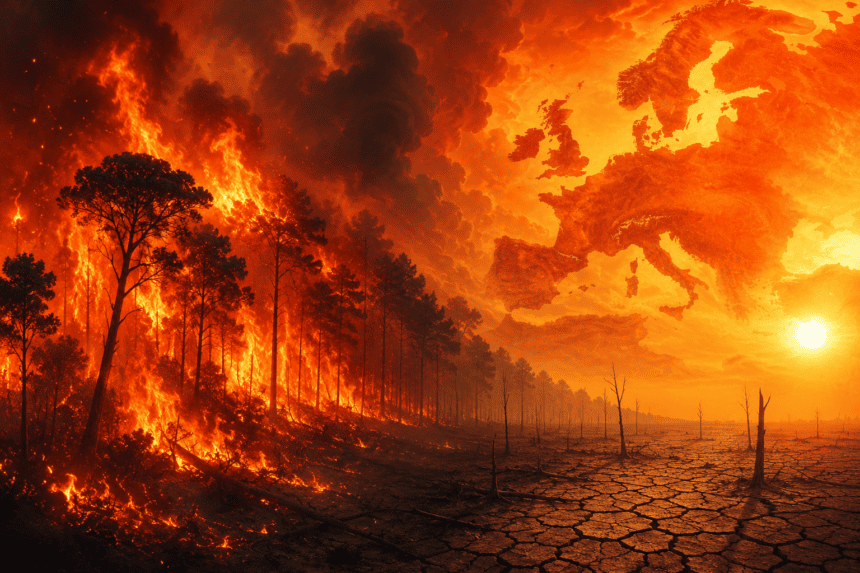
As temperatures climb toward the 40°C mark, fire crews from Portugal to Greece are struggling to contain a series of aggressive forest fires that have torn through thousands of hectares in less than 48 hours. The heat—pushed north by a high-pressure system anchored over the Mediterranean—has turned once-lush landscapes into tinderboxes.
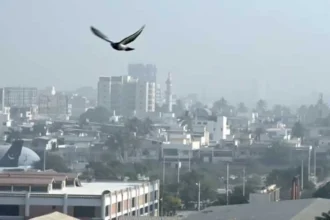
The situation is most critical in Portugal’s Castelo Branco region. Flames fueled by erratic winds jumped containment lines yesterday, forcing hundreds of residents to evacuate as thick, grey smoke choked the skyline. Local civil protection authorities confirmed that over 1,000 firefighters, supported by a fleet of water-bombing aircraft, are battling to stop the blaze from reaching nearby villages.
“The wind is our biggest enemy right now,” said Carlos Silva, a local commander on the ground. “We get one flank under control, and the heat shifts the fire’s direction in minutes. We aren’t just fighting the flames; we’re fighting the physics of this heat.”
This isn’t an isolated incident. Across the continent, the meteorological pattern is consistent: prolonged dry spells followed by sudden, intense heat spikes. In Greece, authorities have warned of a “very high risk” of fire across the Attica region, keeping emergency services on a hair-trigger alert after last summer’s catastrophic losses.
Climate scientists point to a clear trend. The recurring heatwaves are drying out soil moisture to record lows, leaving forests unable to recover between fire seasons. It’s no longer a matter of “if” a fire starts, but how quickly it can be suppressed before the conditions turn it into an uncontrollable inferno.
The economic cost is mounting alongside the environmental toll. Farmers are reporting significant losses as grazing lands vanish, and tourism—the lifeblood of these rural Mediterranean economies—is facing cancellations as holidaymakers stay away from smoke-filled regions.
Governments are now under pressure to rethink fire management strategies. The old method of clearing brush is failing to stop fires that now burn with enough intensity to create their own weather patterns.
As the sun sets over the smoldering hills of Castelo Branco, the air remains heavy with ash. For the crews on the front lines, the battle isn’t over; they’re bracing for another day of record temperatures and the inevitable risk of new sparks.