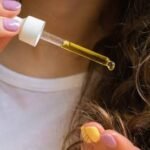
Protein is an important part of healthy hair, but using too many protein-rich hair products without enough moisture may leave some hair feeling dry, stiff and brittle. The growing “protein overload” trend on social media has sparked debate, with experts explaining that the problem may be real for some people but is also sometimes confused with product buildup or other forms of hair damage.
Why Is Protein Used in Hair Products?
Hair is primarily made of a protein called keratin, which is why many shampoos, conditioners, masks and treatments contain proteins such as keratin, collagen or amino acids. These ingredients can temporarily strengthen damaged strands, fill areas of breakage and make hair appear smoother and fuller.
Protein treatments can therefore be useful, particularly for damaged or weak hair. The problem can arise when protein-heavy products are repeatedly used without balancing them with adequate hydration.
What Is Protein Overload?
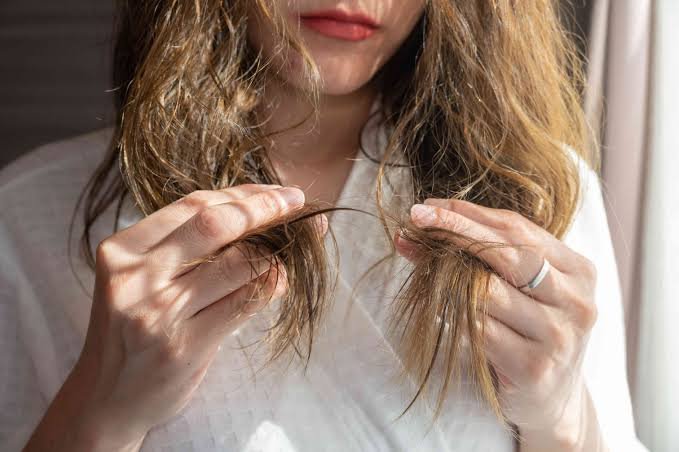
When too much protein is used on the hair, some people may notice that their strands become stiff, dry and less flexible. Instead of feeling soft and manageable, the hair may feel rough or straw-like and become more likely to snap.
Experts explain that the issue is often related to an imbalance between protein and moisture. Hair needs strength from protein but also needs hydration to maintain flexibility.
People with low-porosity hair may be particularly prone to this problem because their hair does not absorb moisture as easily.
Signs Your Hair May Need More Moisture
Some possible signs include:
- Hair feeling unusually stiff or rough
- Increased dryness
- Loss of natural flexibility
- Hair breaking easily
- Strands feeling like straw
- Hair failing to stretch slightly before snapping
However, these signs do not automatically prove that protein is the cause. Similar symptoms can result from product buildup, chemical treatments, heat damage or other hair-care problems.
Is Protein Overload Really a Problem?
Experts have different views about the term “protein overload.” Some believe excessive protein treatments can contribute to brittle hair, while others argue that the condition is sometimes overstated and that the real issue may be an unbalanced product formula or insufficient conditioning.
This means people should not assume that every case of dry or damaged hair is caused by protein. Persistent hair problems may also be associated with hormonal changes, nutritional deficiencies, scalp conditions or other underlying factors.
How to Restore the Balance
If your hair has become stiff or brittle after frequent protein treatments, consider reducing the use of protein-rich products and increasing hydration.
One approach is to alternate protein treatments with deep-conditioning treatments. Products that combine strengthening ingredients with moisture-locking ingredients such as glycerin, hyaluronic acid or natural oils may also help create a better balance.
It is also helpful to choose products according to your individual hair type rather than following every social-media hair trend.
When Should You See a Professional?
If your hair continues to break, becomes noticeably thinner or develops chronic damage despite changing your routine, consider speaking with a dermatologist or qualified hair professional. Persistent problems can sometimes be linked to nutritional deficiencies or scalp and health conditions that require proper evaluation.
The Bottom Line
Protein is essential for strong hair, but more is not always better. Excessive use of protein-rich products without enough moisture may leave some hair stiff, dry and prone to breakage. Maintaining a balance between strengthening treatments and hydration—and choosing products suited to your hair type—can help keep hair healthier and more flexible.