The World Health Organization (WHO) has maintained the international spread of poliovirus as a Public Health Emergency of International Concern (PHEIC), warning that Pakistan remains one of the major areas sustaining wild poliovirus transmission. The emergency measures have been extended for another three months.
WHO’s latest assessment found that the risk of international spread of wild poliovirus type 1 (WPV1) remains significant, particularly because transmission continues in Pakistan and Afghanistan, the world’s only two countries where wild poliovirus remains endemic. The committee concluded that the situation does not, however, meet the threshold for a “pandemic emergency.”
According to the WHO assessment, four WPV1 cases had been reported in 2026 at the time of the review — three in Afghanistan and one in Pakistan. In 2025, Pakistan reported 31 WPV1 cases, compared with 21 in Afghanistan. Although the overall number of cases and positive environmental samples has declined, WHO warned that transmission has not yet been interrupted.
The organisation identified South Khyber Pakhtunkhwa, Karachi and southern Afghanistan as the three most critical areas for continued transmission. South KP currently has the most intense WPV1 transmission in Pakistan, while Karachi remains an important reservoir because of continued positive environmental surveillance results.
WHO said security and access problems in South KP are making vaccination campaigns particularly difficult. Around 250,000 children are estimated to remain unreached in the region, largely because insecurity prevents vaccinators from consistently reaching all target communities.
Karachi has shown some encouraging improvement following recommendations from a programme audit, including a decline in environmental detections and better vaccination campaign indicators. However, WHO stressed that these improvements remain at an early stage and that local transmission and possible undetected circulation continue to pose a threat.
The committee also highlighted the importance of cooperation between Pakistan and Afghanistan, as cross-border population movement can allow poliovirus to spread between the two countries. Genetic evidence has confirmed shared cross-border transmission as recently as the first quarter of 2026.
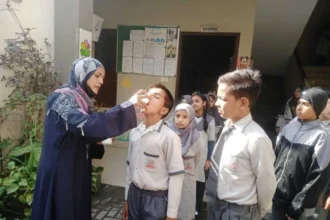
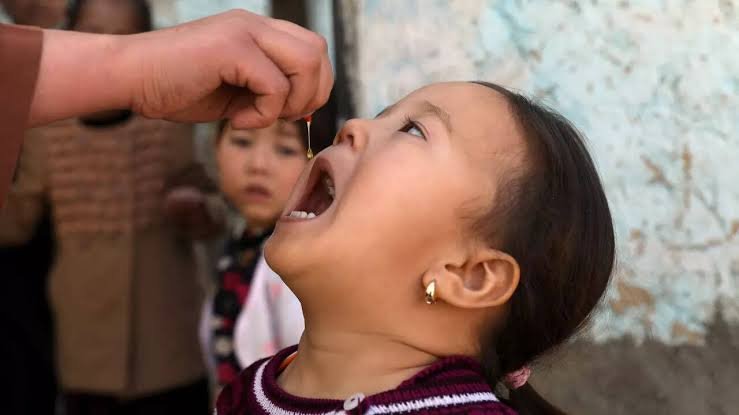
Pakistan has continued large-scale vaccination efforts, including nationwide campaigns and targeted vaccination activities in high-risk areas. On September 1, the National Emergency Operations Centre also launched a new nationwide campaign targeting more than 28 million children under five, with over 240,000 frontline health workers deployed across 99 high-risk districts.
WHO praised Pakistan’s political commitment and national vaccination coverage but warned that district-level performance remains inconsistent, particularly in areas affected by insecurity. The organisation stressed that reaching missed and under-immunised children will be essential to breaking the remaining chains of transmission.
The latest decision means Pakistan remains under international scrutiny as the country works toward eliminating the last remaining pockets of wild poliovirus transmission. While declining cases and environmental detections offer some hope, WHO has made clear that sustained, high-quality vaccination and surveillance will be necessary before the emergency status can be lifted.