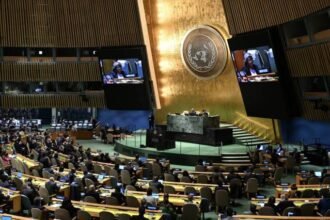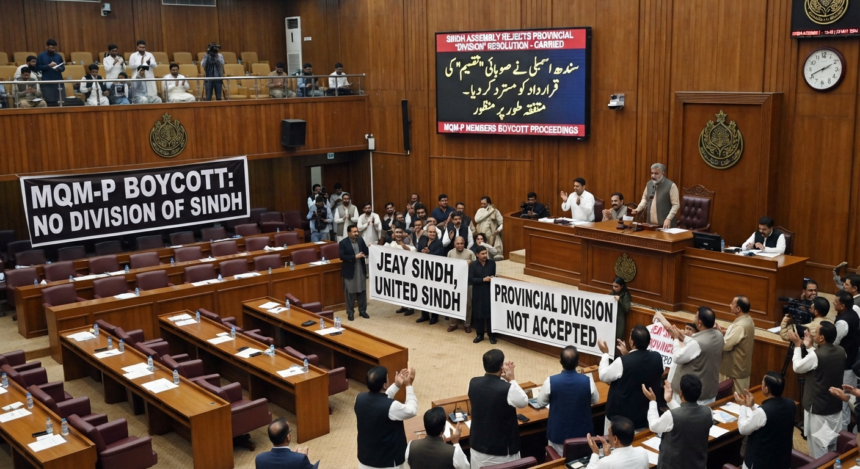
KARACHI — The Sindh Assembly officially rejected a resolution proposing the administrative division of the province on Tuesday, as opposition lawmakers from the Muttahida Qaumi Movement-Pakistan (MQM-P) boycotted the session in protest.
The motion, brought to the floor by an opposition member, sought to initiate a debate on carving out new administrative units within Sindh. The provincial government, led by the Pakistan Peoples Party (PPP), dismissed the proposal within minutes, labeling it an attempt to sow discord in a region already grappling with ethnic and political polarization.
The atmosphere in the house turned hostile before the vote. MQM-P legislators argued that the current administrative structure has failed to deliver basic services to urban centers, particularly Karachi and Hyderabad. They walked out of the chamber after the speaker refused to allow a prolonged debate on the motion, effectively ending the proceedings for their party before the formal rejection.
“This is not about administration; it’s about power,” said a senior PPP minister during the brief session. He argued that the demand for new provinces is a recurring political tactic used to distract from local governance failures.
For the ruling party, the rejection serves as a firm reassertion of Sindh’s territorial integrity. Their leadership maintains that any move to divide the province would trigger a constitutional crisis and ignite long-standing tensions between rural and urban demographics.
However, the MQM-P’s walkout highlights a widening gap between the provincial government and urban representatives. The boycott is more than a protest; it signals a shift toward more confrontational politics as the party attempts to regain footing in its traditional strongholds.
Outside the assembly, the debate continues to simmer. While the government considers the matter closed, the underlying grievances regarding resource allocation and municipal autonomy remain unaddressed. Without a shift in how the provincial government manages its urban centers, the demand for administrative division will likely remain a potent—and volatile—political weapon.