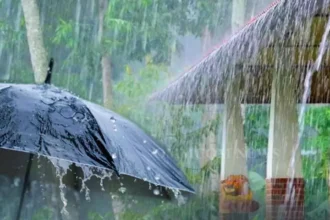
KATHMANDU — The monsoon rains have receded, but the cost of the disaster is still being counted in the riverbeds of Nepal. For dozens of families in the hardest-hit districts, the search for loved ones swept away by flash floods and landslides has ended in a grim compromise: symbolic cremation.
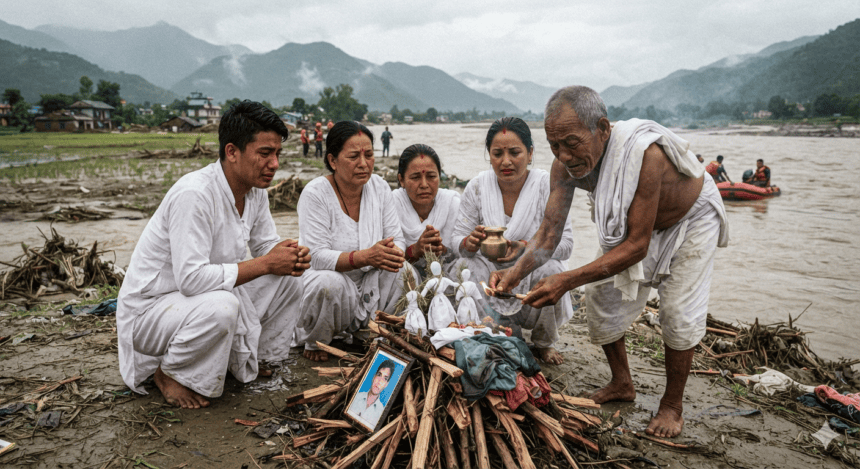
With bodies missing and likely buried under tons of silt and debris, families are performing final rites using effigies made of Kush grass. It is a desperate cultural adaptation to a climate crisis that has left thousands without a home and hundreds without a grave.
The scale of the destruction caught many by surprise. Last month’s record-breaking rainfall triggered floods that leveled entire settlements in Kavrepalanchok and Sindhupalchok. Local authorities estimate that nearly 250 people have died, with dozens still unaccounted for. In villages where the river swallowed homes whole, the chance of recovering remains is near zero.
“We searched the banks for days,” said Ram Bahadur, who lost his brother when a landslide struck their home in the middle of the night. “When the rescue teams pulled back, we knew the river wasn’t giving him up. We had to let him go somehow.”
The use of *Kush*—a sacred grass used in Hindu rituals to represent the human form—is a traditional practice reserved for when a body cannot be recovered. Usually, this happens in cases of drowning or accidents in remote mountains. Today, it is becoming a common sight in communal funeral pyres across the Kathmandu Valley’s outskirts.
While the government has pledged relief funds and temporary housing, critics point to the lack of early warning systems. Meteorologists warned of extreme weather, but the evacuation protocols failed to reach the most isolated hamlets in time. The infrastructure that remains—shattered bridges and blocked mountain roads—continues to hamper the delivery of aid.
For the survivors, the focus has shifted from rescue to the long, uncertain process of rebuilding. They are dealing with more than just the loss of property; they are navigating a landscape that has been physically reshaped by the water.
The rains have stopped, but the trauma of the missing is not fading. As families perform these final, silent ceremonies by the riverbanks, they are grieving not just for the lives lost, but for the closure they were denied by the flood.