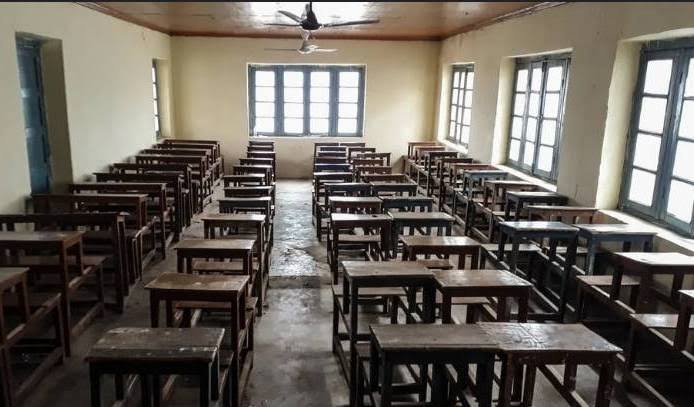
LAHORE: Punjab’s government higher secondary schools have witnessed a massive 90% decline in admissions after matriculation, raising concerns about the changing preferences of students and the future of public-sector higher secondary education in the province.
According to the latest data, only around 56,000 students enrolled in Class 11 at government higher secondary schools this year, despite more than 600,000 students studying in Class 10 across government schools in Punjab.
The figures indicate that more than 550,000 students chose to pursue admission in different colleges and other institutions after completing their matriculation. As a result, government higher secondary schools have experienced a sharp fall in their enrollment at the intermediate level.
The decline highlights a significant challenge for Punjab’s public education system. The trend suggests that a large majority of students prefer moving to colleges after matric rather than continuing their education in government higher secondary schools.
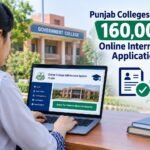
Meanwhile, government colleges across Punjab are seeing substantial demand through the province’s Online College Admissions System (OCAS). More than 160,000 online applications for intermediate admissions have been submitted to around 800 public colleges, indicating strong student interest in the college system.
The OCAS data also shows that female students account for more than 109,000 applications, or around 68% of the total, while male students have submitted over 51,000 applications. FA and ICS are currently among the most popular programmes, followed by FSc Pre-Medical.
The latest figures come amid broader changes in Punjab’s college admission system. Earlier this year, the government revised its admission policy for more than 750 government colleges, replacing the previous uniform 20% admission-growth target with a more localized approach based on demand, available facilities and institutional capacity.
The sharp difference between enrollment in government higher secondary schools and applications to colleges has raised questions about how public-sector institutions can better respond to students’ educational preferences and improve their academic offerings.